Operating a stone crushing plant is not just about achieving high output—it is about maintaining stable production at the lowest possible cost per ton. For mining companies, quarry operators, and infrastructure contractors, operating costs often determine whether a project is profitable or merely breaking even.
In real-world projects, many stone crushing plants fail to meet financial expectations not because of poor equipment quality, but due to inefficient design, improper equipment selection, and weak operational management. This article explains the key cost drivers of crushing plant operations and provides practical strategies to reduce operating costs without sacrificing productivity or reliability.
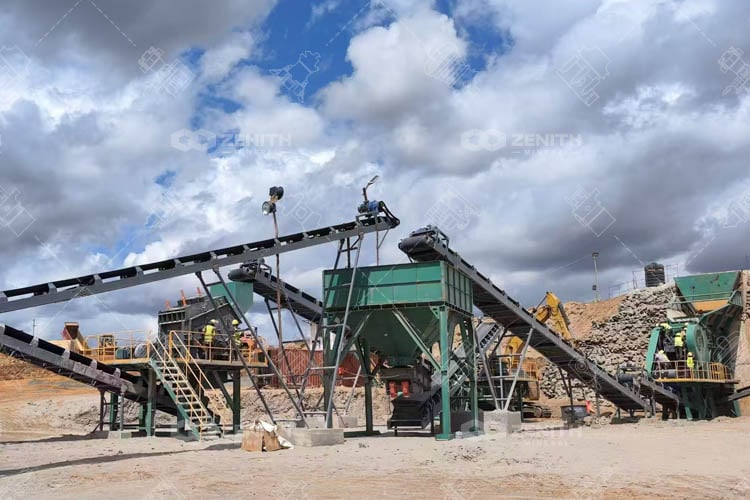
Before reducing costs, it is essential to understand where the money actually goes. Operating costs are typically divided into five major categories:
Energy consumption (electricity or diesel), wear parts and consumables, labor, maintenance and downtime, and material handling losses. Among these, energy and wear parts usually account for the largest share of long-term expenses.
Many operators focus heavily on the initial purchase price of crushers, but in reality, operating costs over 5–10 years often exceed the original equipment investment. A well-designed crushing plant prioritizes lifecycle cost rather than upfront savings.
One of the most common causes of high operating costs is using the wrong type of crusher for the material being processed.
Hard and abrasive materials such as granite, basalt, and gold ore demand robust jaw crushers and cone crushers with optimized crushing chambers and wear-resistant liners. Using an impact crusher for such materials may lower initial investment but will dramatically increase wear part consumption and downtime.
For softer materials like limestone or recycled aggregates, impact crushers can provide better particle shape with lower energy consumption. Matching crusher type to material hardness and abrasiveness is one of the fastest ways to reduce wear cost and power consumption.
A professional supplier should always evaluate:
Correct selection at this stage prevents long-term cost leakage.
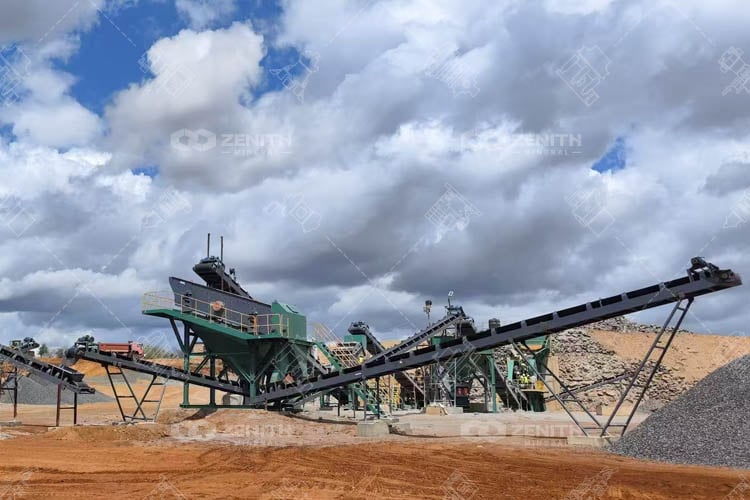
Poor process design is a silent cost killer. Over-crushing not only wastes energy but also increases wear on liners, blow bars, and screens.
An efficient crushing plant should use stage crushing logic:
Adding a proper screening stage between crushers ensures that already-sized material bypasses unnecessary crushing. This reduces power consumption, wear rate, and fines generation.
A well-balanced crushing circuit can reduce operating costs by 10–20% per ton compared to poorly designed flowsheets.
Energy is often the largest recurring expense in crushing operations. The choice between electric, diesel, or hybrid power directly impacts cost control.
For grid-connected sites, high-efficiency electric motors combined with variable frequency drives (VFDs) can significantly reduce power consumption. For remote or off-grid projects, modern diesel or hybrid crushing plants offer improved fuel efficiency compared to older-generation machines.
Energy-saving strategies include:
Over time, even small energy-efficiency improvements can result in substantial cost savings.
Wear parts are unavoidable, but excessive wear is often preventable.
Incorrect feeding methods—such as uneven feeding, oversized feed, or metal contamination—can dramatically shorten liner and blow bar life. A stable and continuous feed using a proper vibrating feeder ensures uniform material distribution inside the crushing chamber.
In addition, selecting the right wear material grade for specific applications is critical. High-manganese liners, alloy steel blow bars, or ceramic inserts should be chosen based on impact force, abrasiveness, and operating temperature.
Reducing wear part consumption does not only save money—it also reduces downtime and labor costs associated with frequent replacement.
Unplanned downtime is one of the most expensive aspects of crushing plant operation. Every hour of stoppage means lost production, wasted labor, and delayed project schedules.
A cost-efficient stone crushing plant operation relies on preventive maintenance rather than reactive repair. This includes:
Modern crushing plants equipped with monitoring systems allow operators to detect problems before they lead to breakdowns, significantly reducing repair costs and production losses.
Even the best equipment performs poorly when operated incorrectly.
Well-trained operators understand how to:
Investing in training often delivers one of the highest returns on cost reduction, as it improves energy efficiency, reduces wear, and extends equipment lifespan simultaneously.
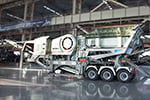
For projects involving multiple working faces or short-term operations, mobile crushing plants can significantly reduce operating costs.
Mobile plants eliminate the need for extensive civil foundations, reduce material transportation distance, and allow crushing closer to the source. This lowers fuel consumption, loader usage, and manpower requirements.
In many mining and infrastructure projects, mobile crushing plants reduce total operating cost even if the unit equipment price is higher than stationary alternatives.
Reducing operating costs is not just an operational task—it starts with choosing the right supplier.
A professional crushing plant supplier provides:
Suppliers who only sell machines often shift operational risks to the customer. A solution-oriented partner helps optimize performance throughout the plant’s lifecycle.
Ultimately, the goal is not to minimize individual cost items, but to achieve the lowest stable cost per ton over the plant’s operating life.
By combining proper equipment selection, optimized process design, energy-efficient power solutions, disciplined operation, and strong maintenance practices, crushing plant operators can significantly improve profitability and project sustainability.
Reducing operating costs is a continuous process—but when done correctly, it transforms a crushing plant from a cost center into a long-term profit engine.
If you are planning a new stone crushing plant or seeking to reduce operating costs in an existing operation, our engineering team can help you design a cost-efficient crushing solution based on your material, capacity, and site conditions.


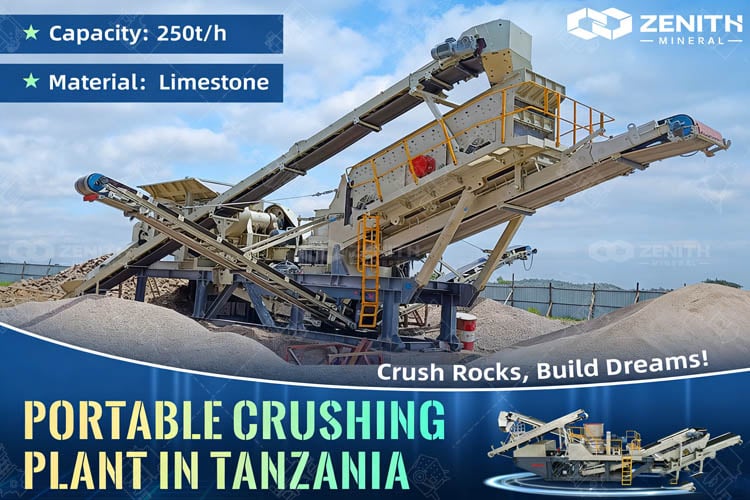
Discover the cost of portable crushing plants in Tanzania. Learn factors affecting price, capacity, mobility options, and how to choose the right solution for your mining or quarry project.
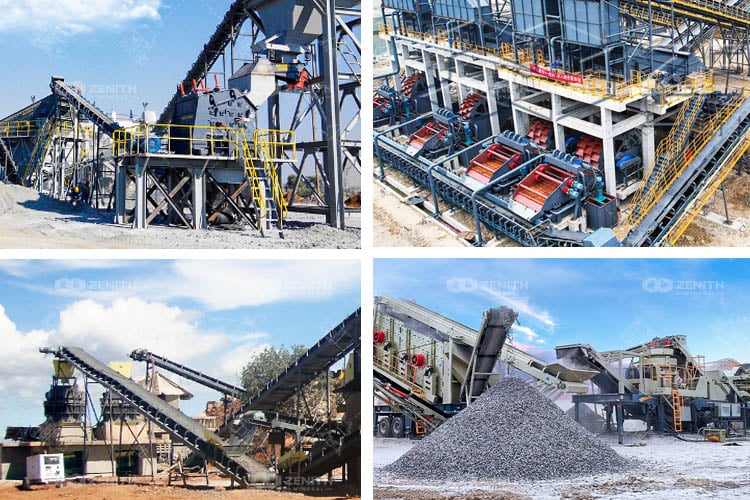
The total start a quarry business costs will vary depending on factors like the size, site conditions, equipment needs and environmental requirements.
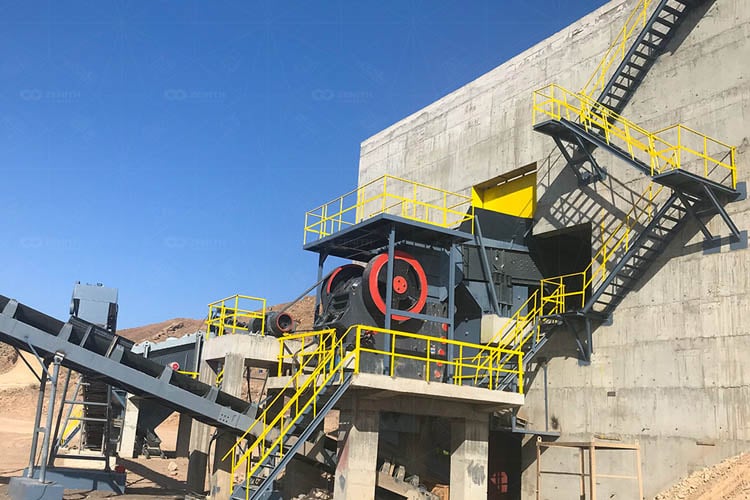
The price of jaw crushers usually ranges from $5,000 - $1,000,000, significantly based on several factors, including size, capacity, brand, and additional features.
Fill your requirements here, and we'll send the custmized solution and quotation to you by the reserved contact information.
Copyright ©2000-2026 SHANGHAI ZENITH MINERAL CO.,LTD.

 WhatsApp

 24/7 Online