
 WhatsApp
Tanzania is one of East Africa’s fastest-growing markets for mining, quarrying, and infrastructure development. With increasing investments in gold mining, iron ore projects, limestone quarries, and road construction, the demand for portable crushing plants has surged significantly.
Compared with traditional stationary crushing systems, portable crushing plants offer faster deployment, lower civil construction requirements, and greater operational flexibility—making them an ideal choice for many Tanzanian projects.
However, for most investors and operators, the most critical question remains:
What does a portable crushing plant actually cost in Tanzania, and what determines the final price?
This article provides a practical, buyer-focused cost analysis, helping you understand pricing ranges, key cost drivers, and how to avoid costly mistakes when selecting equipment.
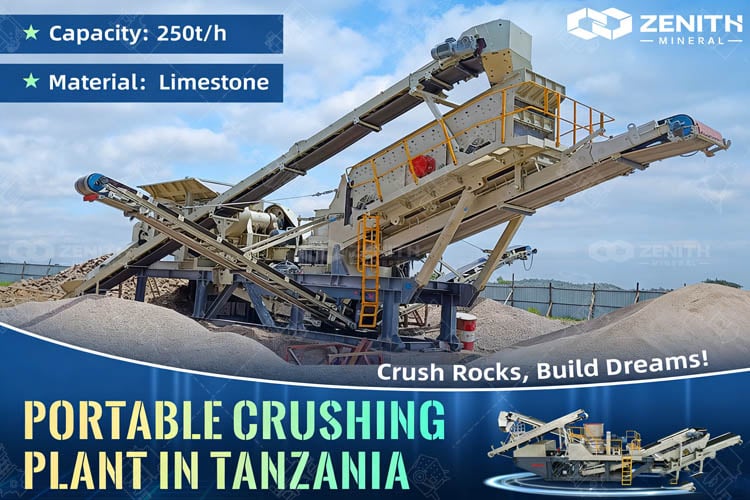
1. Typical Price Range of Portable Crushing Plants in Tanzania
The cost of a portable crushing plant in Tanzania depends heavily on plant configuration and intended application. Based on recent project data and market experience, the general price ranges are:
- Small portable crushing plant (50–100 t/h):
USD 80,000 – 180,000
Suitable for small quarries, contract crushing, and pilot mining projects.
- Medium portable crushing plant (100–200 t/h):
USD 180,000 – 380,000
Commonly used for commercial aggregate production and medium-scale mining.
- Large portable crushing plant (200–400 t/h):
USD 380,000 – 800,000+
Designed for high-volume mining and long-term industrial operations.
It is important to note that equipment price alone does not represent total investment. The final project cost depends on configuration depth, mobility type, and on-site requirements.
2. Key Factors That Influence the Cost
2.1 Type of Portable Crusher
The crusher type selected is one of the biggest contributors to total cost:
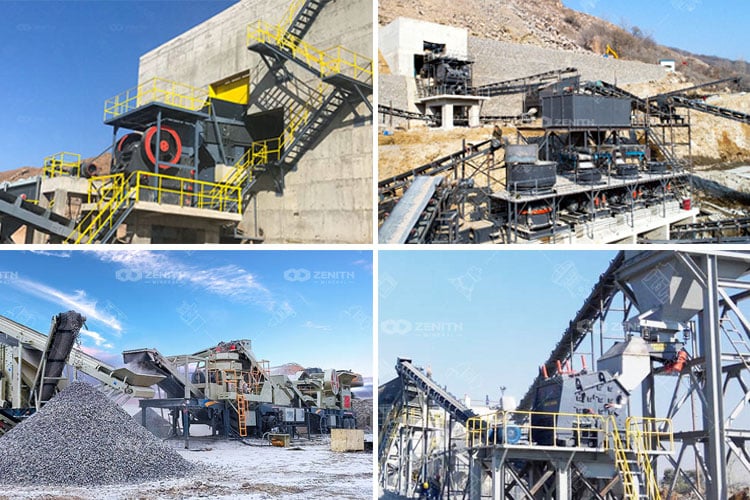
Portable Jaw Crusher
Primarily used for coarse and primary crushing of hard materials such as granite and iron ore.
✔ Lower initial cost
✔ Strong crushing force
✔ Simple maintenance
Portable Cone Crusher
Used for secondary and tertiary crushing where high-quality aggregates are required.
✔ Higher equipment cost
✔ Excellent product shape
✔ Higher automation level
Portable Impact Crusher
Ideal for limestone, soft rock, and recycling applications.
✔ High reduction ratio
✔ Lower wear cost for soft materials
✔ Flexible output sizing
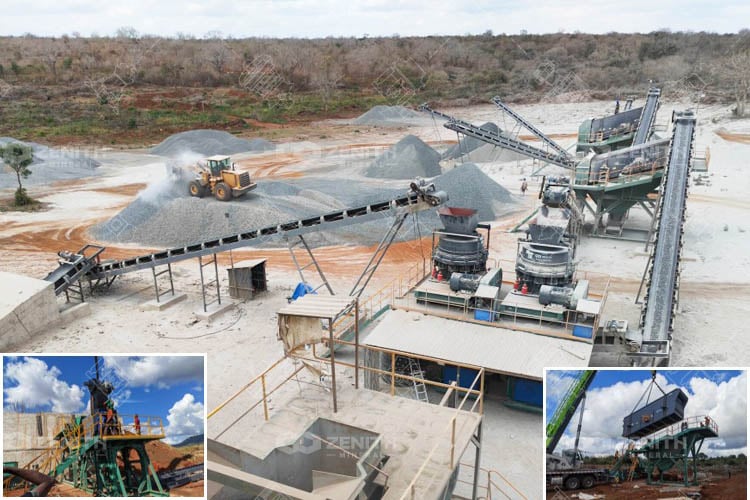
In many Tanzanian projects, a complete portable crushing line includes a jaw crusher, cone or impact crusher, and a portable screening unit.
2.2 Production Capacity Requirements
Capacity selection affects nearly every aspect of plant cost, including:
- Crusher size and power rating
- Number and length of conveyors
- Structural steel and chassis design
- Screening capacity
For example, a 100 t/h portable plant for limestone aggregates will be significantly less expensive than a 100 t/h plant designed for hard iron ore, even though the nominal capacity is the same.
Accurate capacity planning ensures:
- Optimal capital investment
- Stable operation without overload
- Lower wear and maintenance costs
2.3 Material Characteristics
Material properties directly determine equipment strength and wear resistance:
Key considerations include:
- Material hardness (Mohs scale)
- Abrasiveness (quartz content)
- Feed size distribution
- Moisture and clay content
Hard and abrasive materials require:
- Heavier crusher frames
- High-grade manganese or alloy liners
- Reinforced conveyors and hoppers
These factors increase both initial purchase cost and long-term operating expenses, but are essential for reliable performance.
2.4 Mobility Configuration
Portable crushing plants are typically available in two mobility formats:
Wheel-mounted (tyre-type)
- Lower equipment cost
- Easy transport on paved or semi-paved roads
- Ideal for quarries and construction sites
Track-mounted (crawler-type)
- Higher upfront cost
- Superior mobility in rough terrain
- No towing vehicle required
In Tanzania, wheel-mounted plants are often more cost-effective, while track-mounted plants are favored for remote mining locations with poor road access.
3. Hidden Costs Many Buyers Overlook
3.1 Transportation and Import Costs
Equipment is typically shipped via sea freight to Dar es Salaam Port, followed by inland transport to the project site. Costs depend on:
- Plant dimensions and weight
- Distance to site
- Local road conditions
An experienced supplier can optimize packaging and logistics to reduce overall cost.
3.2 Installation and Commissioning
Although portable plants minimize civil works, projects may still require:
- Basic foundations or leveling
- Electrical and control system connections
- Initial commissioning and operator training
Suppliers offering remote diagnostics or on-site commissioning can significantly reduce startup risks.
3.3 Operating and Maintenance Costs
Long-term costs often exceed initial equipment price. Key factors include:
- Energy consumption
- Wear parts replacement frequency
- Availability of spare parts in Africa
- Downtime caused by poor design or service support
A robust, well-engineered plant delivers lower cost per ton over its lifetime.
4. Why Portable Crushing Plants Are Popular in Tanzania
Portable crushing plants are particularly well suited to Tanzania’s mining, quarrying, and infrastructure project conditions. Compared with traditional stationary crushing lines, they offer a combination of mobility, speed, and cost efficiency that aligns perfectly with local operational realities.
Key advantages include:
Rapid relocation between sites
Many Tanzanian projects operate multiple quarry faces or move between short-term contracts. Portable crushing plants can be dismantled, transported, and recommissioned quickly, allowing operators to follow the resource rather than invest in fixed infrastructure.
Minimal civil construction requirements
Stationary plants often require heavy foundations, concrete works, and long preparation cycles. Portable plants significantly reduce civil engineering costs, making them ideal for greenfield sites and projects with limited upfront budgets.
Short installation and commissioning cycle
With most components pre-assembled at the factory, portable crushing plants can be installed and put into operation within days rather than months. This rapid startup helps operators begin production sooner and accelerate return on investment.
Effective operation in remote areas
Many mining and quarry sites in Tanzania are located far from major cities with limited infrastructure. Portable plants—especially track-mounted units—are designed to operate reliably in rough terrain and off-grid environments.
Easy capacity expansion and scalability
As project demand grows, portable systems can be expanded by adding additional crushing or screening units. This modular approach allows operators to scale production gradually without replacing the entire plant.
These advantages make portable crushing plants an ideal solution for mining investors, quarry operators, and infrastructure contractors in Tanzania who require flexibility, fast deployment, and controlled capital expenditure. By reducing fixed investment risk while maintaining high productivity, portable plants offer a practical path toward sustainable and profitable operations.
These advantages make portable plants ideal for mining investors, quarry operators, and infrastructure contractors.
5. How to Get the Best Price Without Sacrificing Quality
To maximize value:
- 1. Define material type and target output clearly
- 2. Request a process-oriented solution, not just a machine
- 3. Evaluate total cost of ownership (TCO)
- 4. Confirm spare parts and service availability
- 5. Choose suppliers with proven African references
A professional supplier will focus on understanding your project before providing a quotation.
6. Final Thoughts: Cost vs Long-Term Value
The cost of a portable crushing plant in Tanzania is not a fixed number—it is a result of technical choices, operational goals, and long-term planning.
A properly selected plant will:
- Achieve fast ROI
- Reduce operational risk
- Adapt to market changes
- Deliver consistent product quality
Investing in a portable crushing plant in Tanzania is an investment in operational sovereignty and strategic flexibility. While the upfront capital required is substantial, the long-term economic benefits—driven by massive logistics savings, revenue agility, and adaptability to Tanzania’s project-based economy—are compelling. The "cost" is not merely a purchase price; it is the entry point to a transformed, more profitable, and competitive operational model.


 24/7 Online