
 WhatsApp
Jaw crushers are a workhorse in the mining industry, responsible for the crucial first stage of size reduction. Understanding the technical specifications of jaw crusher is essential for selecting the right crusher that meets your operational needs. This comprehensive technical guide covers the key details you need to know when evaluating jaw crusher models for your mining application.
1. General Information
Manufacturer Name and Model: The technical sheet will identify the crusher manufacturer and the specific model within their product lineup. This information is crucial for understanding the design features and capabilities of the equipment.
Jaw crusher come in various configurations, but the most common types are:
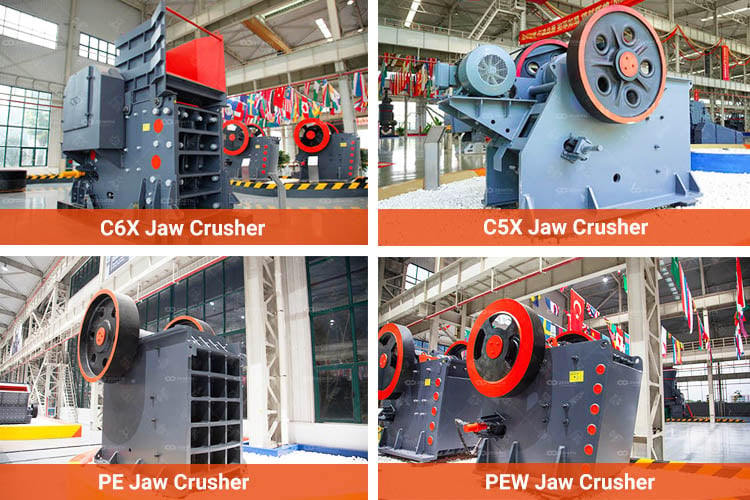
- PE Jaw Crusher: A single-toggle design that utilizes a lever mechanism for the crushing action. PE models are typically used for primary size reduction.
- PEW Jaw Crusher: Similar to PE jaw crusher, but may incorporate unique design elements that differentiate them from the standard PE line.
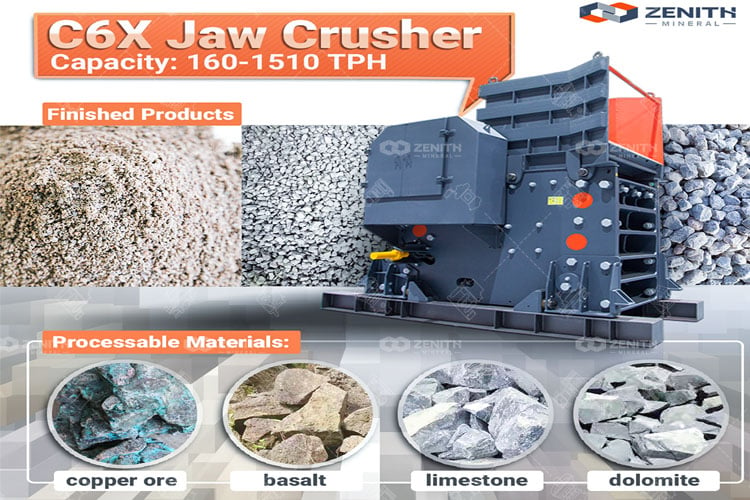
- C6X Jaw Crusher: A model-specific designation that often incorporates codes indicating specific features or capacity ranges.
2. Feeding
- Feed Opening Dimensions: This details the maximum size of material that can be fed into the crusher, usually expressed as width x height (e.g., 1200 mm x 800 mm).
- Recommended Feed Size Range: The technical sheet will specify the optimal size range for the material to be crushed. Feeding outside this range can lead to reduced capacity, increased wear, and potential equipment damage.
3. Discharge Specifications
- Discharge Opening Adjustment Range: This indicates the adjustable gap between the fixed and movable jaws, allowing you to control the final product size.
- Expected Product Size Range: The technical sheet will provide the typical size range of the crushed material based on the discharge opening configuration.
4. Capacity
- Rated Capacity: A crucial metric that specifies the theoretical processing capacity of the crusher for various materials, such as granite or limestone. Actual capacity may vary based on factors like material characteristics and feed consistency.
5. Power
- Motor Size: The power output of the electric motor that drives the crusher, typically expressed in horsepower or kilowatts.
- Recommended Voltage and Power Supply: The electrical requirements for operating the crusher, including voltage, phase, and frequency.
6. Dimensions and Weight
- Overall Dimensions: The physical size of the crusher, important for planning installation and ensuring adequate space.
- Crusher Weight: A critical factor for transportation and foundation design.
7. Other Features
- Jaw Plate Profiles: Different plate profiles, such as smooth, serrated, or corrugated, serve specific material handling needs.
- Discharge Size Adjustment: The mechanism used to adjust the discharge opening, which can be hydraulic or manual.
- Optional Features: Additional functionalities like dust suppression or overload protection may be available.
By thoroughly understanding the technical specifications outlined in this guide, you can confidently select the ideal jaw crusher that will optimize your mining operations and maximize productivity.
Comparing Jaw Crusher Models with a Technical Sheet
When selecting the right jaw crusher for your mining operation, it's crucial to closely examine the technical specifications and match them to your specific needs. This comparison process allows you to identify the model that will deliver the optimal performance and efficiency for your application.
- Feed Size: Ensure the crusher's feed opening is large enough to accommodate the initial rock size.
- Desired Product Size: Verify that the discharge adjustment range allows you to achieve the targeted final product size.
- Production Capacity: Choose a crusher with a capacity that meets or exceeds your desired throughput rate.
- Power Availability: Select a model with a nominal power rating compatible with your available power source.
When evaluating jaw crusher models, it's important to prioritize performance over strict efficiency considerations. A larger, higher-capacity crusher will generally require a more powerful motor, leading to higher energy consumption. However, this trade-off can be worthwhile if the increased production capacity aligns with your operational needs.
Analyze your budget, power constraints, and overall requirements to strike the right balance between crusher performance and energy efficiency. By carefully matching the technical specifications to your unique mining application, you can identify the jaw crusher that will deliver optimal productivity and cost-effectiveness.


 24/7 Online