In a gyratory crusher, eccentric bushing is the vital load-bearing and driving component that dictates the crushing performance and operational lifespan. When premature failure occurs, the gyratory need to be shut down for unscheduled maintenance. It shortens equipment lifespan, spikes maintenance frequency, and directly affects production line throughput.
In the following part, we will highlight the reasons of premature failure of gyratory crusher eccentric bushing and how to avoid it with proper maintenance.
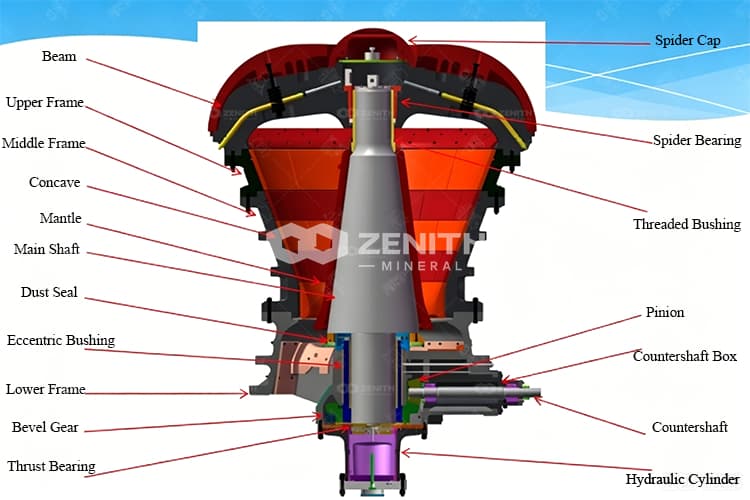
Premature failure of a gyratory crusher's eccentric sleeve usually comes down to four main issues:
Rapid identification of eccentric bushing premature failure:
Preventing premature failure and extending the service life of a gyratory crusher's eccentric bushing requires a comprehensive maintenance focusing on four key areas: lubrication, feeding management, routine monitoring, and installation quality control.
Oil Temperature: The oil return temperature should typically be maintained between 38℃ and 50℃. If it climbs past 55℃, it indicates severe internal frictional heating or inadequate heat dissipation, and the underlying cause must be identified. If the temperature exceeds 60℃, the equipment must be shut down immediately for maintenance.
Oil Pressure and Flow: Strictly set the oil inlet pressure according to the equipment manual. Insufficient flow will result in localized dry friction; therefore, it is imperative to ensure that the pressure interlock protection device is sensitive and fully functional.
Gyratory crushers work in incredibly dusty environments. If the dust seals fail and rock dust gets into the lubricating oil, it acts like sandpaper, ruining the eccentric bushing and copper sleeves in short time. Therefore, the lubricating oil must be periodically analyzed to monitor its solid particles and metal wear debris.
Always use high-quality, heavy-duty gear oil with excellent extreme-pressure (EP) and anti-wear properties. Choose your oil strictly based on the season, ambient temperature, and equipment load.
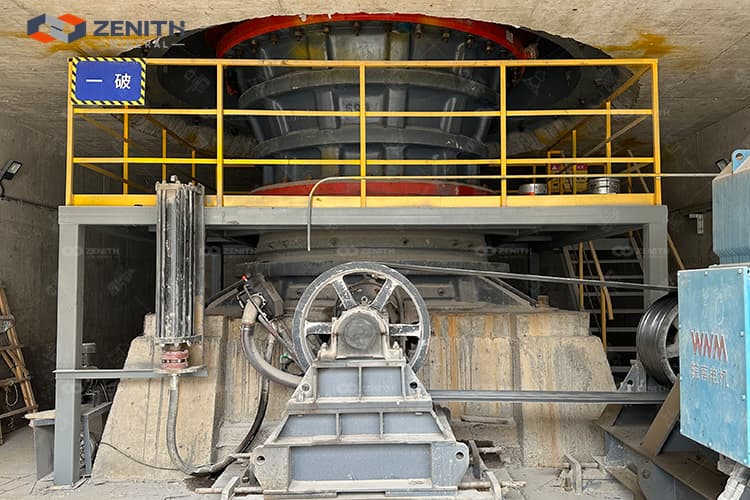
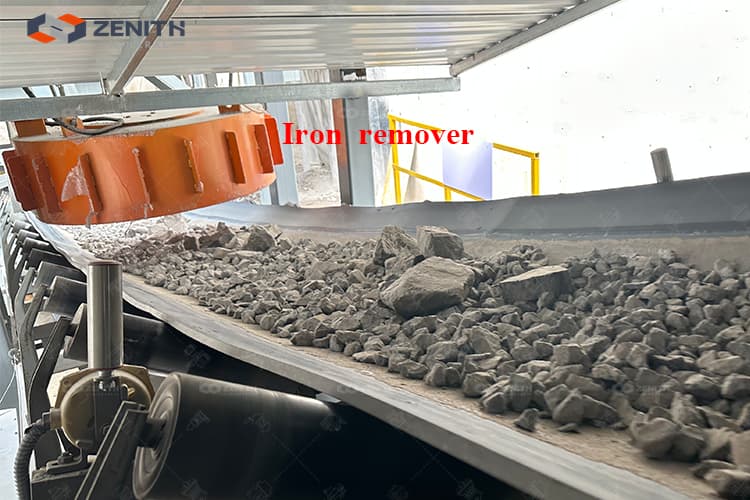
Even though gyratory crushers have a hydraulic main shaft support for "iron-passing" protection, large pieces of metal—like excavator teeth, drill bits, or scrap steel—getting wedged in the crushing chamber are a massive hazard. The moment the eccentric bushing rotates and forces a squeeze against them, it creates a huge peak impact loads. This can easily crack the eccentric bushing or shatter the inner copper bushing.
Consequently, highly efficient iron separators or metal detectors must be installed upstream of the feeding.
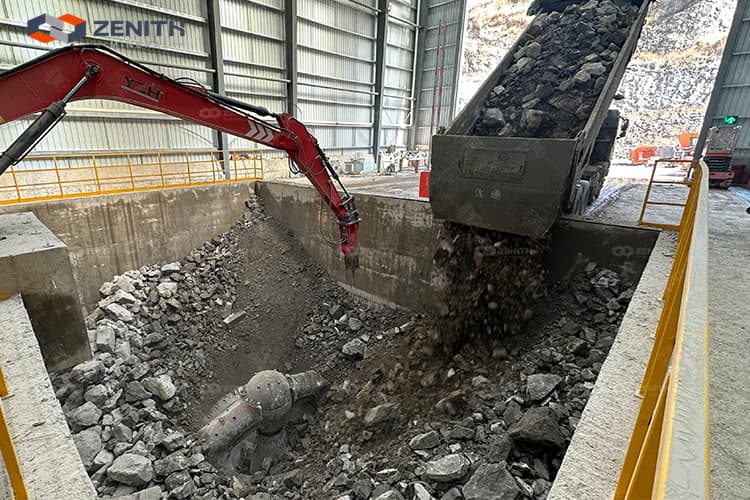
Gyratory crushers are designed to operate under choke-feed conditions, but the feed must remain within the machine’s design limits. If the crusher suddenly encounters exceptionally hard material together with an excessive feed volume, the resulting spike in crushing forces can break down the lubricating oil film in the eccentric bushing. Once the oil film is compromised, boundary friction occurs and the bushing can overheat or suffer thermal damage.
High-precision temperature and vibration sensors are typically installed at the oil- return port of the eccentric bushing and the bottom bearing of the gyratory crusher. Keep a close eye on these data trends. If a steady, abnormal rise in temperature or unexpected peaks in the vibration spectrum is occurred, these are usually early warning signs of eccentric bushing premature failure. Shut down and inspect the machine right away.
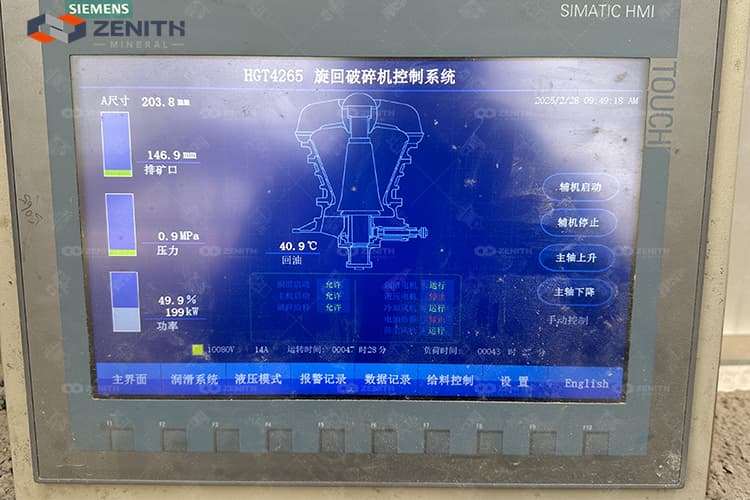
The lifespan of the gyratory crusher eccentric bushing depends heavily on installation precision:
There must be a precise, specified clearance between the eccentric bushing and the main shaft, as well as between the eccentric bushing and the frame bushing:
If the clearance is too small: Frictional heating and thermal expansion can occur, making shaft seizure (binding) likely.
If the clearance is too large: The mantle’s gyration will generate severe impacts that accelerate localized fatigue and wear.
When replacing a new eccentric bushing (copper sleeve), it must be scraped according to technical specifications. Make sure the contact area between the eccentric bushing, the main shaft, and the eccentric body reaches at least 70% to 80%. The contact points must be uniformly distributed to prevent localized stress concentration.
Make sure the bevel gear at the bottom is securely fastened to the eccentric bushing. The gear mesh clearances must be properly adjusted to prevent any extra radial vibration caused by rough gear engagement.
As a world-leading provider of crushing and mining solutions, ZENITH consistently relies on rigorous manufacturing processes and premium materials to guarantee the stable quality and reliable performance of core components like the gyratory crusher's eccentric bushing.
ZENITH maintains a team of highly experienced installation and engineering experts, offering standardized, step-by-step installation guidance and comprehensive life-cycle support. By eliminating assembly risks right from the start, we fully ensure the smooth, highly efficient operation of your gyratory crushers.


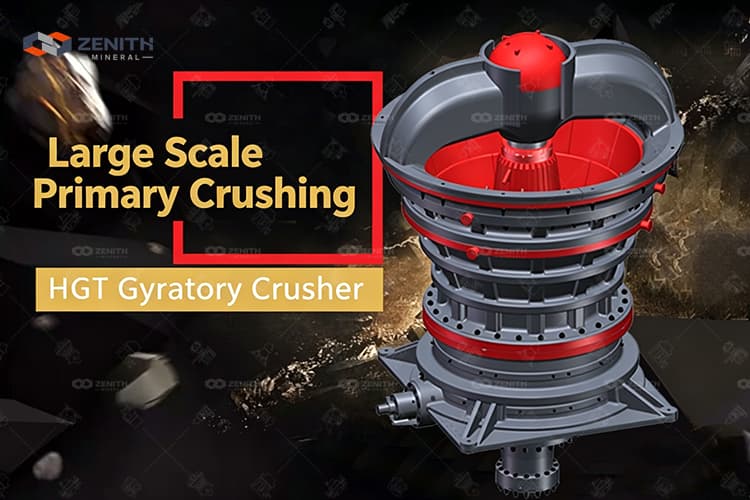
HGT gyratory crusher adopts a continuous crushing mechanism to deliver superior production stability, has become the ideal primary crushing solution for 10Mtpa+ large-scale projects. This article introduces 6 core strengths of ZENITH HGT gyratory crusher.
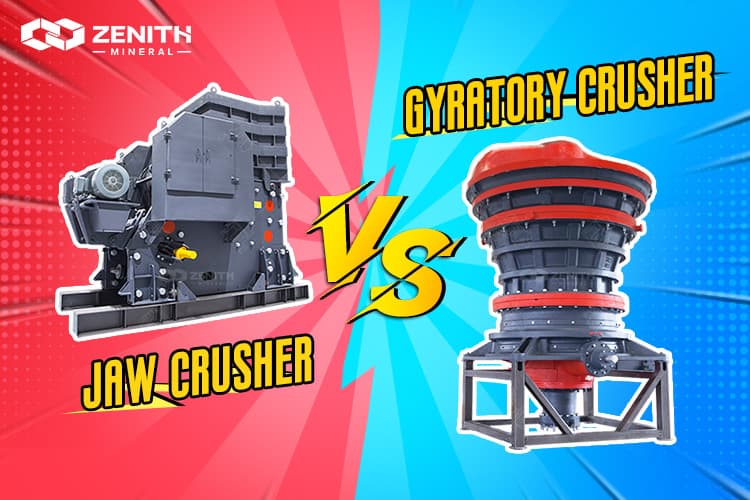
For granite coarse crushing, jaw crushers and gyratory crushers are the most commonly used options. What are their differences? How to choose the granite coarse crushing equipment?
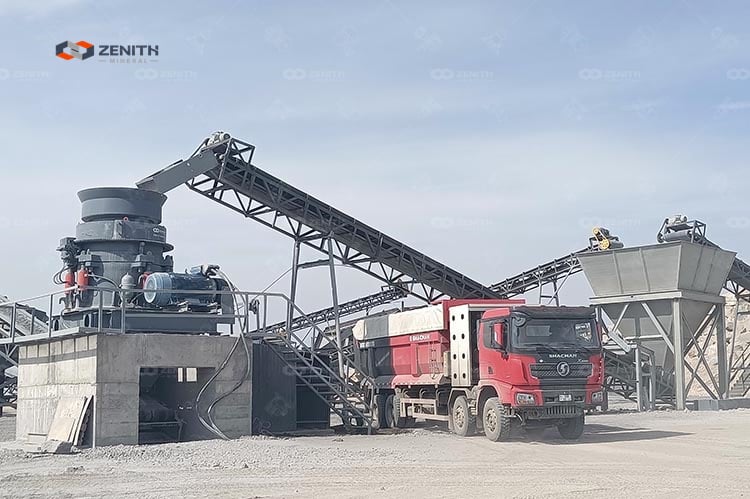
Lean how to select the proper granite coarse crusher, medium & fine crusher. When selecting granite crusher equipment and crushing solutions, it is crucial to consider not only production capacity but also wear resistance, energy efficiency, and return on investment.
Fill your requirements here, and we'll send the custmized solution and quotation to you by the reserved contact information.
Copyright ©2000-2026 SHANGHAI ZENITH MINERAL CO.,LTD.

 WhatsApp

 24/7 Online