Selecting the right gold washing plant for alluvial (placer) gold recovery is one of the most crucial capital decisions an operator will make. Unlike hard-rock deposits that demand heavy primary crushing and chemical leaching, alluvial deposits contain free-milling gold mixed with gravel, sand, boulders, and clay. However, no two alluvial deposits are identical—a plant optimized for clean river gravels will quickly clog or lose fine gold if fed with sticky, high-clay sticky ore.
To avoid costly missteps and maximize recovery rates across all gold particle sizes, operators must evaluate key physical deposit characteristics, mechanical washing mechanisms, recovery circuits, and operational requirements. This guide breaks down the step-by-step framework to choose the ideal gold washing plant for your site.
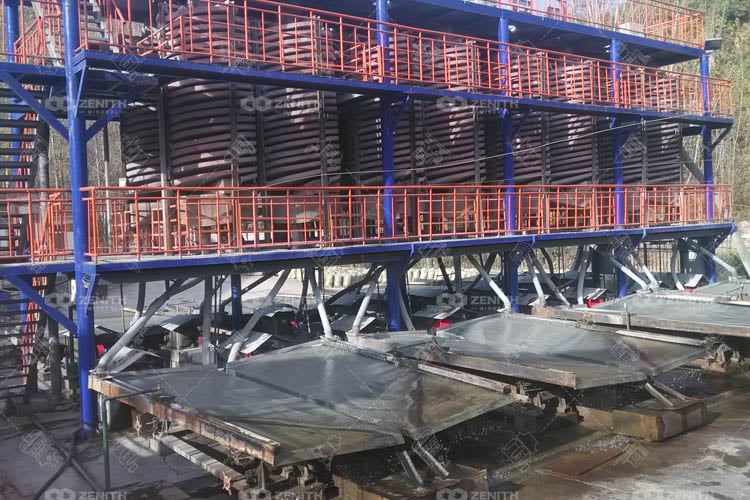
Before requesting equipment quotes, perform thorough sampling to determine three fundamental characteristics of your raw material:
The primary washing stage liberates gold from surrounding dirt and rock. Choosing between a trommel screen and a rotary scrubber is the most critical technical choice you will make:
| Selection Criteria | Gold Trommel Screen | Rotary Scrubber |
|---|---|---|
| Best Suitable Ore | Clean river sand, loose gravel, low-clay placer deposits | Sticky clay, compacted laterite, mud-heavy deposits |
| Washing Action | Screen drum rotation with internal high-pressure water spray bars | Solid un-screened washing cylinder with heavy internal lifters and tumbling action |
| Power & Operating Cost | Lower power consumption, lighter structure, lower CAPEX | Higher torque requirements, heavier build, slightly higher CAPEX |
| Clay Dissolution Rate | Moderate; struggles to break down hard clay lumps | Exceptional; completely slurries tough clay into fine wash-water |
Washing and screening only prepare the material. Capturing the gold requires matching your gravity recovery unit to the gold size distribution:
How often you need to relocate your washing plant determines whether you should invest in stationary, modular, or mobile configurations:
Alluvial gold washing is water-intensive, requiring 2.5 to 5 cubic meters of water per ton of raw material processed. When choosing a plant, ensure your site setup includes:
Whether you are processing clean gravels with a compact Portable Gold Trommel or tackling sticky laterite mud with a heavy-duty Rotary Clay Scrubber, SBM's technical engineering team is ready to design your optimal flowsheet.
Contact our specialists today to get a free, custom-designed flowsheet, equipment configuration advice, and an itemized factory-direct quote tailored to your deposit specs and capacity targets.


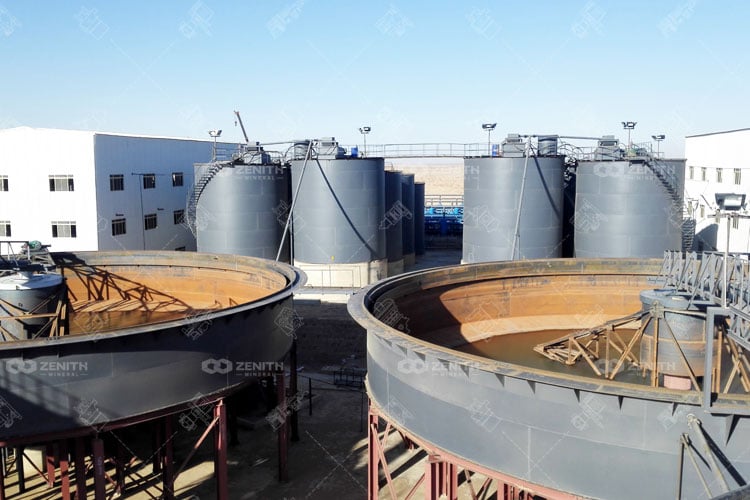
CIL processing plants play a critical role in modern gold mining operations. The CIL (Carbon in Leach) is a hydrometallurgical technique used to extract gold from ore.
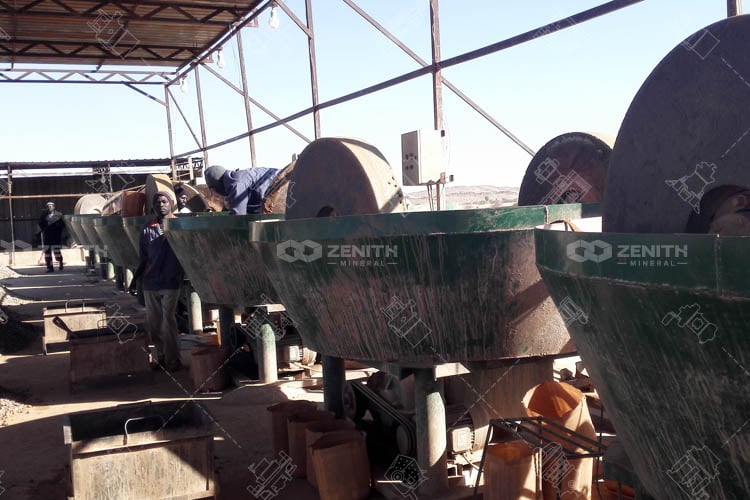
In this article, we will provide a detailed guide on how to set up a small-scale gold processing plant, from the initial stages of research and planning to the installation and operations of the plant.
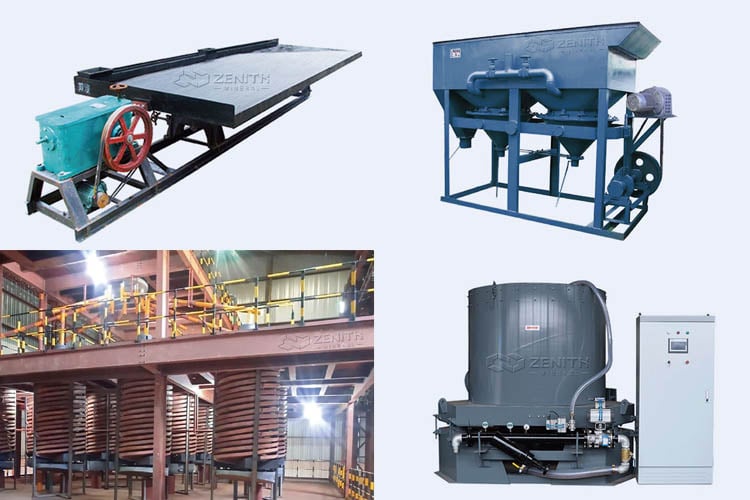
A comprehensive guide on selecting the right gold gravity concentrator for your mining operation. Learn about different concentrator types, key selection criteria, and optimization strategies to maximize gold recovery rates.
Fill your requirements here, and we'll send the custmized solution and quotation to you by the reserved contact information.
Copyright ©2000-2026 SHANGHAI ZENITH MINERAL CO.,LTD.

 WhatsApp

 24/7 Online