Starting an alluvial (placer) gold processing project requires a clear, realistic capital expenditure (CAPEX) strategy. Unlike hard-rock gold processing that demands heavy crushing and chemical leaching, alluvial gold recovery relies primarily on washing, screening, and density-based gravity separation. Selecting the right washing equipment directly dictates gold recovery rates and long-term operational costs.
Initial investment for a complete gold washing plant typically ranges from $20,000 for a compact 10–20 TPH portable trommel unit to $350,000+ for a heavy-duty 150–200 TPH automated mobile washing plant. Operating expenses (OPEX) generally average between $0.80 and $2.50 per ton of processed material.
This comprehensive cost guide breaks down plant pricing by capacity, compares essential machinery options, analyzes hidden setup fees, and outlines a practical ROI framework for investors and mine operators.
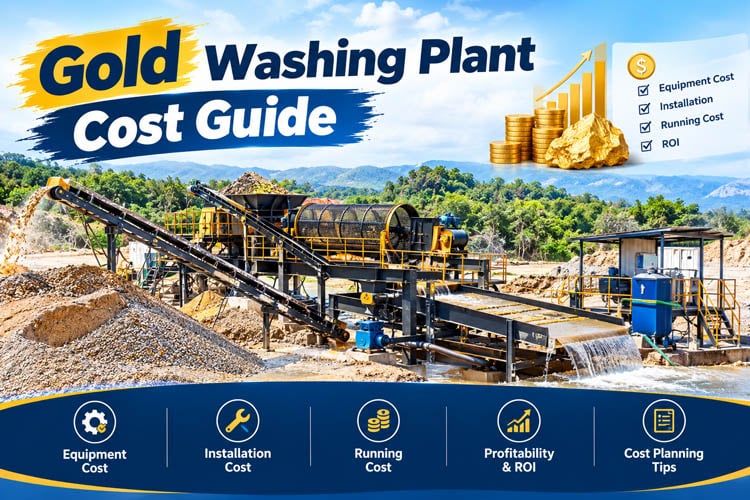
Plant capacity and material throughput are the primary cost drivers. The table below outlines estimated budget requirements across standard production capacities:
| Capacity (TPH) | Standard Plant Configuration | Est. Equipment Price (FOB) | Total Delivered & Installed Cost |
|---|---|---|---|
| 10 – 30 TPH | Feed Hopper + Gold Trommel Screen + Sluice Box + Diesel Genset | $15,000 – $30,000 | $22,000 – $42,000 |
| 30 – 80 TPH | Rotary Scrubber / Trommel + Centrifugal Concentrator + Pulsating Sluice | $35,000 – $70,000 | $50,000 – $95,000 |
| 80 – 150 TPH | Heavy-Duty Scrubber + Multi-Centrifuge Unit + Shaking Table + Slurry Pumps | $80,000 – $160,000 | $115,000 – $210,000 |
| 150 – 200+ TPH | All-in-One Tracked/Wheeled Mobile Washing Plant + Complete Water Recycling System | $180,000 – $320,000 | $240,000 – $380,000+ |
Choosing the incorrect washing unit for your site's soil condition can result in severe gold loss and wasted capital. Equipment costs vary based on washing intensity:
A complete operational budget must account for expenses beyond the core machine quotation:
Below is a conservative return-on-investment projection for a 100 TPH alluvial gold washing plant operating 10 hours per day.
| Financial Indicator | Monthly Projection | Annual Projection (10 Operating Months) |
|---|---|---|
| Gross Gold Revenue | $658,750 | $6,587,500 |
| Operating Costs (OPEX @ $1.50/ton) | $37,500 | $375,000 |
| Net Operating Profit (Pre-Tax) | $621,250 | $6,212,500 |
Conclusion: With total delivered CAPEX for a 100 TPH plant averaging between $115,000 and $210,000, initial equipment investment can be fully recovered within 10 to 30 days of continuous operation under favorable deposit grade conditions.
A full gold washing plant ranges from $20,000 for small portable trommel units to $350,000+ for large automated mobile washing systems. The final price depends on processing capacity, clay handling requirements, water recycling configuration, and gravity recovery equipment.
Gold trommels are cheaper and ideal for clean sand and gravel deposits with low clay content. Rotary scrubbers are necessary for sticky, clay-heavy alluvial ore, as they fully break down clay balls and prevent fine gold loss, delivering much higher recovery rates.
Standard operational costs range from $0.80 to $2.50 per ton, including fuel, water consumption, wear part replacement, and labor. Well-configured mobile plants with water recycling systems can effectively lower long-term OPEX.
Under stable grade and normal operating conditions, a standard 80–150 TPH gold washing plant can achieve full CAPEX payback within 10 to 30 days. Alluvial gold projects feature far faster ROI compared with hard rock crushing and leaching mining.
Yes. Basic trommel and sluice systems only recover coarse gold. Adding a centrifugal gold concentrator can boost fine gold recovery from 50% up to 90%+, greatly increasing total monthly gold output and profit.
Common hidden expenses include international freight, import duties, inland haulage, diesel generator systems, water pumping pipelines, wear part reserves, and site commissioning. These usually add 15%–30% to the total project budget.
Investing in a gold washing plant provides one of the fastest ROI opportunities in the mining sector when equipment selection matches site geology. Whether processing clean gravel with a compact mobile trommel or washing sticky clay with a heavy-duty rotary scrubber circuit, accurate budget planning ensures continuous high-throughput production.
Looking for a reliable Portable Gold Trommel, a high-capacity Rotary Scrubber Unit, or a complete Mobile Gold Washing Plant? ZENITH's specialized mining engineering team is ready to design your ideal washing circuit.
Contact our specialists today to receive a free, customized flowsheet design, equipment selection advice, and an itemized factory-direct quote tailored to your target tonnage.


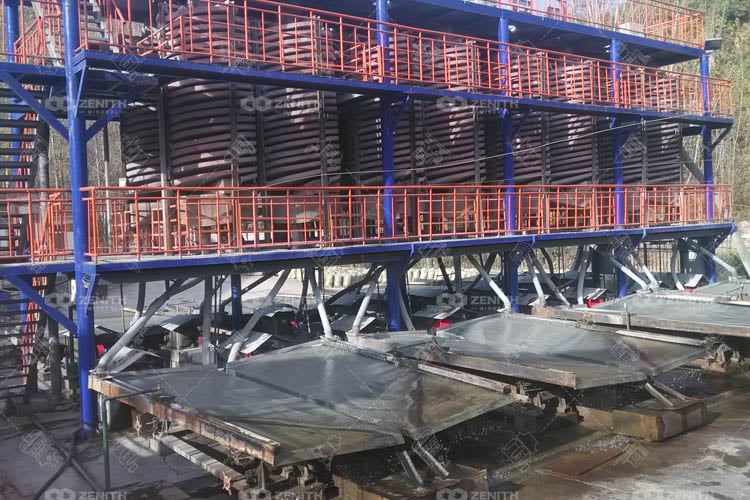
Selecting the right gold washing plant for alluvial (placer) gold recovery is one of the most crucial capital decisions an operator will make.
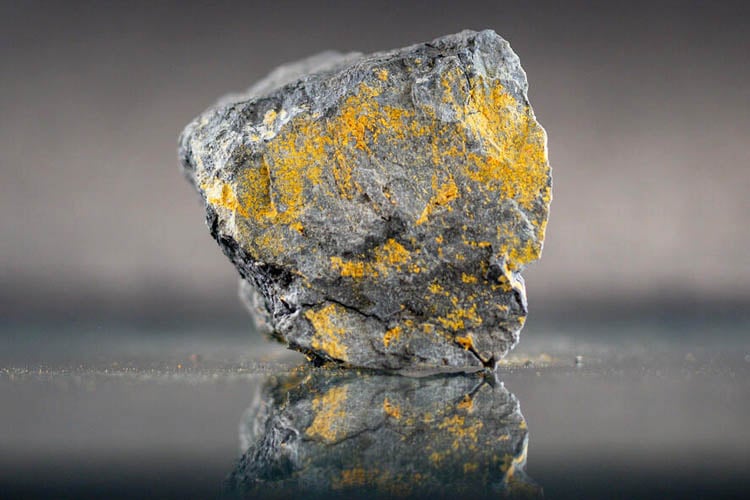
A complete guide to identifying gold ore in the field. Learn about lode and placer gold types, key visual indicators, and simple field tests like streak, hardness, and density to distinguish real gold from pyrite.
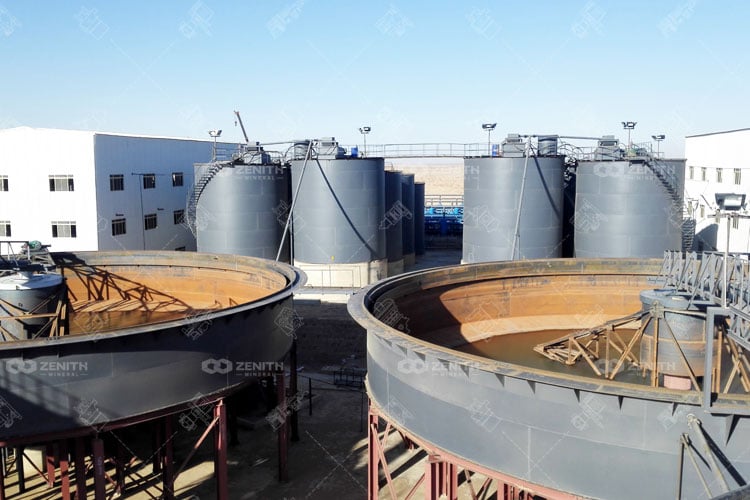
CIL processing plants play a critical role in modern gold mining operations. The CIL (Carbon in Leach) is a hydrometallurgical technique used to extract gold from ore.
Fill your requirements here, and we'll send the custmized solution and quotation to you by the reserved contact information.
Copyright ©2000-2026 SHANGHAI ZENITH MINERAL CO.,LTD.

 WhatsApp

 24/7 Online