Selecting the right gold processing method is one of the most critical decisions in a mining project. The choice directly affects capital investment, operating costs, recovery rate, environmental compliance, and long-term profitability.
Among modern gold extraction technologies, CIL (Carbon-in-Leach), CIP (Carbon-in-Pulp), and Heap Leaching are the three most commonly applied methods worldwide. Although they are all based on the fundamental chemical principle of "cyanide dissolution of gold-carbon adsorption", they differ significantly in process configuration, applicable ore types, investment costs, recovery rates, and operational complexity. Each process has specific technical requirements, economic implications, and suitable ore conditions.
This article provides a detailed comparison of CIL, CIP, and Heap Leaching to help investors, engineers, and mine owners determine the most appropriate solution for their gold project.
Gold CIL integrates cyanide leaching and carbon adsorption into the same series of tanks. Gold is dissolved from ore and simultaneously adsorbed onto activated carbon within the same circuit.
This integrated approach reduces processing time and simplifies flowsheet design. CIL is widely used for medium to large-scale hard rock gold processing plants.
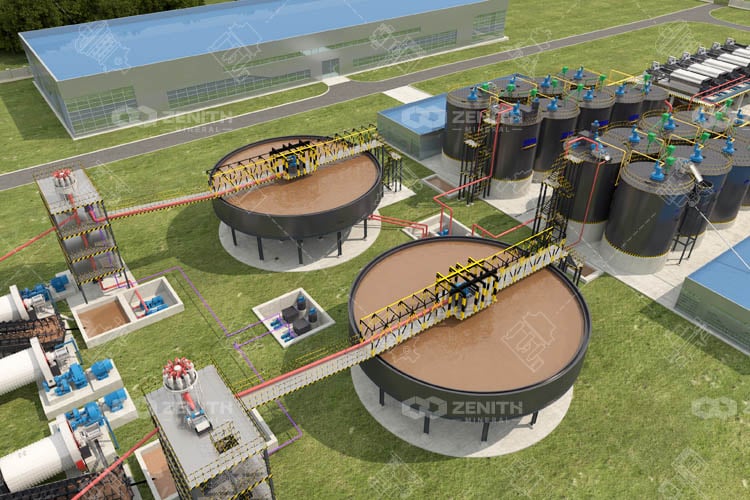
In the CIP process, gold leaching occurs first in leach tanks. After leaching is completed, activated carbon is added in a separate adsorption stage to recover dissolved gold.
Because leaching and adsorption are separated, CIP generally requires more tanks and slightly longer retention time compared with CIL.
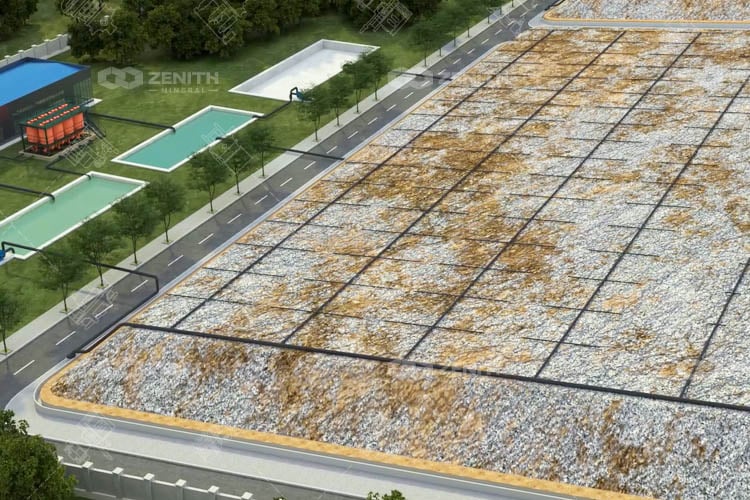
Heap leaching is a low-cost gold extraction method suitable for low-grade ores. Crushed ore is stacked on impermeable pads, and cyanide solution is sprayed or dripped over the heap.
Gold dissolves gradually and is collected from the bottom of the heap for further recovery through carbon adsorption or zinc precipitation.
Heap leaching requires significantly lower capital investment but typically achieves lower recovery rates and slower production cycles.
The key feature is that leaching and adsorption occur in the same tanks, improving kinetics and reducing gold losses.
Because adsorption happens after leaching, CIP systems usually require more tank volume.
Heap leaching eliminates the grinding and tank leaching systems, dramatically reducing capital cost.
CIL performs well when gold is easily leachable and distributed within fine particles.
CIP may be selected when adsorption performance needs tighter control or when existing infrastructure supports separate circuits.
Heap leaching is not suitable for refractory ores or ores requiring fine grinding.
CIL generally achieves slightly higher recovery due to simultaneous leaching and adsorption. Heap leaching recovery depends heavily on ore permeability and leaching time.
Heap leaching requires the lowest capital investment because it eliminates grinding and large tank systems.
CIP typically requires higher capital cost than CIL due to separate adsorption tanks.
CIL offers a balanced investment level while maintaining high recovery and stable production.
Cost per ton must be calculated based on ore grade, plant scale, and local energy prices.
Heap leaching is ideal for very large, low-grade deposits. CIL and CIP are preferred for medium to high-grade hard rock operations.
CIL and CIP plants require proper tailings management, detoxification systems, and water recycling facilities.
Heap leaching requires carefully engineered heap pads with liners and solution collection systems to prevent cyanide leakage.
Environmental regulations in many countries increasingly require dry stacking or advanced tailings management systems.
The decision-making process generally follows a "Value vs. Cost" logic:
CIL, CIP, and Heap Leaching are all proven gold extraction technologies, but each serves different project conditions and economic objectives.
Selecting the correct method requires a comprehensive evaluation of ore characteristics, production targets, and financial strategy. A customized engineering design based on metallurgical testing ensures optimal recovery and long-term profitability.
If you are planning a gold processing project and need professional guidance in selecting the most suitable method, our engineering team can provide customized process design, equipment configuration, and cost analysis tailored to your specific ore conditions.


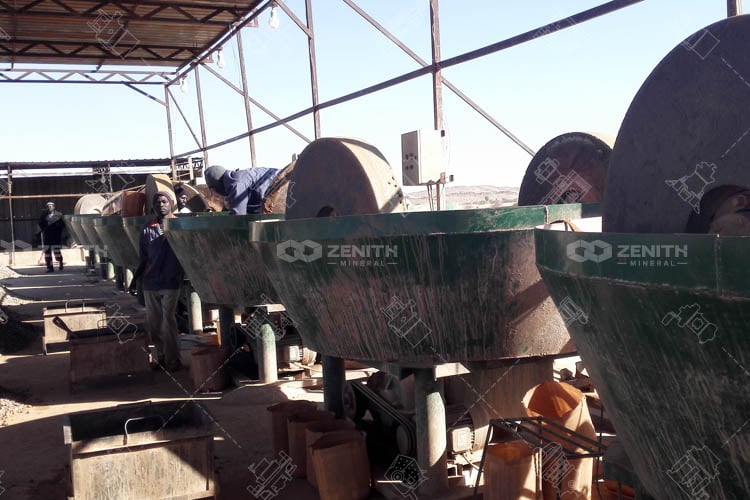
In this article, we will provide a detailed guide on how to set up a small-scale gold processing plant, from the initial stages of research and planning to the installation and operations of the plant.
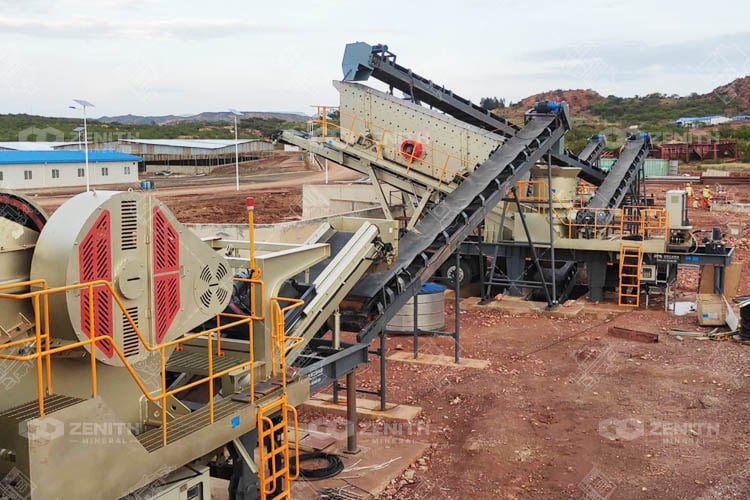
This article explores the various aspects of portable rock crushers for gold mining, including their types, benefits, operational principles, and considerations for use.
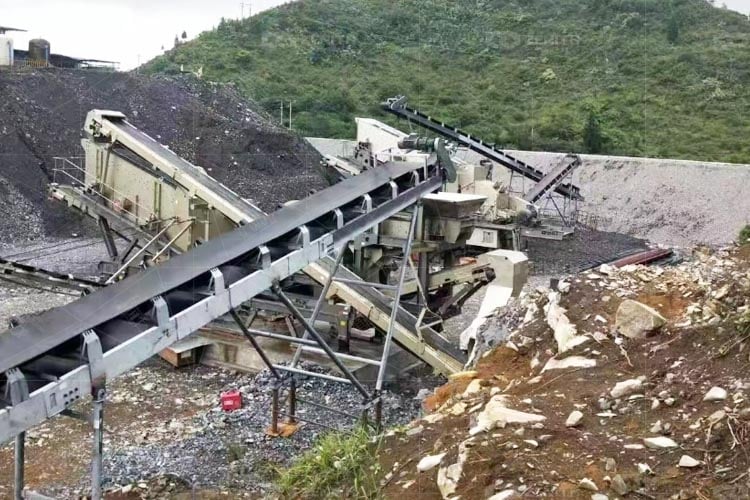
The common seen gold ore are placer gold ore and rock gold ore. But how to get gold from gold ore? We will introduce 4 gold extraction methods in this article.
Fill your requirements here, and we'll send the custmized solution and quotation to you by the reserved contact information.
Copyright ©2000-2026 SHANGHAI ZENITH MINERAL CO.,LTD.

 WhatsApp



 24/7 Online