Driven by steady growth in global infrastructure development, highway construction and real estate investment, aggregate quarry projects have become one of the most popular and profitable investment options for global investors. With continuously rising market demand for high-quality crushed stone and manufactured sand, quarry businesses deliver stable returns and long-term market potential.
However, a successful quarry operation requires substantial capital investment, standardized procedures and scientific overall planning. This complete guide walks you through how to start a quarry business step by step, covering site selection, license application, equipment configuration, safety compliance and official production launch.
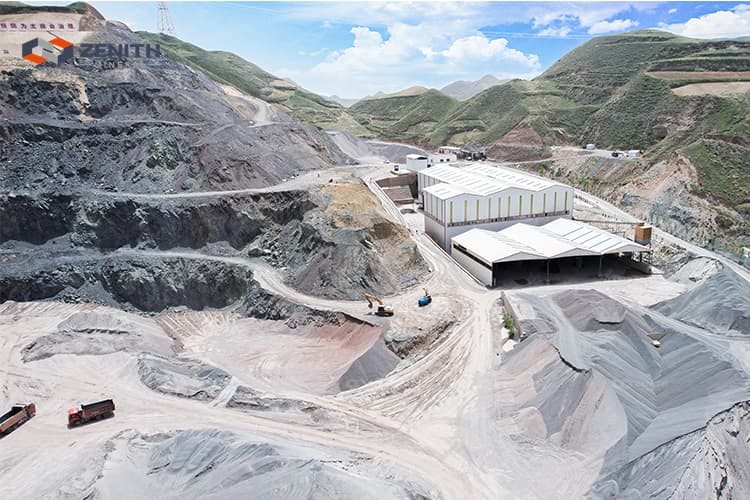
Before injecting capital into quarry construction, conducting in-depth market research and project feasibility analysis is the prerequisite for investment success. A comprehensive feasibility study helps investors avoid blind investment risks, accurately grasp market demand, and lay a solid foundation for reasonable site selection, equipment matching and profit prediction when starting a quarry business.
Aggregate market demand varies greatly across different regions and countries. To accurately judge market prospects, investors need to investigate core target market information in advance:
Infrastructure project pipeline:
First, sort out local infrastructure project plans for the next 3 to 5 years, including road, railway, airport, residential and commercial construction projects, which constitute the core consumption drivers of construction aggregates.
Existing supply gaps:
Second, analyze local market supply gaps: investigate the number, operating status and capacity saturation of existing surrounding quarries. Regions with insufficient aggregate supply boast higher market prices and broader profit margins for new quarry projects.
Logistics radius:
In addition, it is essential to evaluate the logistics economic radius. The profitable transportation radius of truck-delivered aggregates is generally 30–50 kilometers, as excessive freight will erode project profits and even exceed the value of raw materials. Quarries equipped with dedicated railway lines or barge terminals can expand the logistics radius to hundreds of kilometers, forming an irreplaceable core competitive advantage in the global aggregate market.
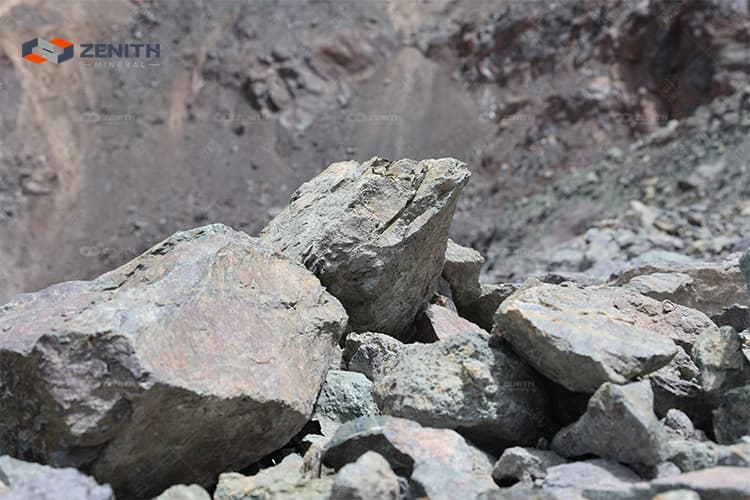
The type, hardness and mineral composition of raw rock resources directly determine the quarry’s crushing process design and complete equipment configuration, serving as a key factor in quarry project planning. Harder rocks such as granite and basalt require high-strength crushing and screening equipment, while medium and soft rocks like limestone can adopt simplified process configurations. Clarifying raw material characteristics in advance can effectively avoid equipment mismatch and production efficiency bottlenecks, ensuring stable and efficient aggregate production.
The total investment cost of a standard quarry project covers equipment procurement, labor deployment, mining right fees, site construction and other expenses. Under the conditions of stable equipment operation, full production capacity and favorable local aggregate market prices, the payback period for a medium-sized quarry with a hourly capacity of 200–500 tons is generally 2 to 4 years, with stable and sustainable investment returns.
Mining regulations differ dramatically from country to country, but the core permitting framework is broadly similar. Here are the common legal requirements for most countries:
Different countries’ mining regulatory frameworks differ greatly, so be sure to map out the local approval authorities and processing timelines in advance to streamline your planning when pursuing how to start a quarry business.
Choosing the right location is one of the most critical decisions when evaluating how to start a quarry business. A strong quarry site should meet all of the following requirements:
Sufficient Raw Material Reserves:
Proven reserves should support at least 10+ years of quarry operations. Ideally, the overburden depth (topsoil and waste layers) should be as small as possible to reduce stripping and operating costs.
Reasonable Transportation Distance:
The site should be within 50 kilometers of the main sales market or key transport hubs (highways, railways, ports). Transportation cost is a major component of the final aggregate terminal price.
Low Environmental Sensitivity:
Keep the site away from sensitive areas such as residential zones, schools, hospitals, and water source protection areas. This helps reduce the risk of complaints and environmental disputes during operations.
Access to Infrastructure:
Reliable electricity supply, available water resources, and convenient road connectivity are non-negotiable prerequisites.
A geological survey report is the basis for mineral license applications and quarry development / operation plan design. The core contents typically include:
These geological findings directly support how to start a quarry business with better design decisions, permitting confidence, and production planning.
Building a reasonable investment budget is essential for launching a profitable and sustainable quarry business. To avoid over-investment or insufficient production capacity, the overall plant scale and hourly output should be scientifically tailored to local market demand, transportation radius and capital budget. Meanwhile, aggregate product specifications must be configured according to actual customer requirements and construction standards.
In general, the total capital expenditure of a standard quarry project covers the following core investment segments.
| Investment Category | Share(Ref.) | Description |
|---|---|---|
| Mining Rights & Licensing Fees | 10%-20% | Mining concession fees, mineral lease costs, or acquisition expenses |
| Geological Survey & Engineering Design | 3%-5% | Geological survey reports, mine planning, and exploitation design |
| Equipment Procurement | 35%-50% | Crushing & screening plants, auxiliary equipment |
| Infrastructure Construction | 10%-15% | Roads, power supply, water utilities, and plant construction |
| Environmental Protection Facilities | 5%-8% | Dust control, noise reduction, wastewater treatment |
| Working Capital | 10%-15% | Pre-operation cash flow, labor costs, fuel, and operating reserves |
Equipment procurement is the largest cost component in most quarry investments—and it also has the deepest, most long-term impact on your production efficiency, product quality, and overall operating costs.
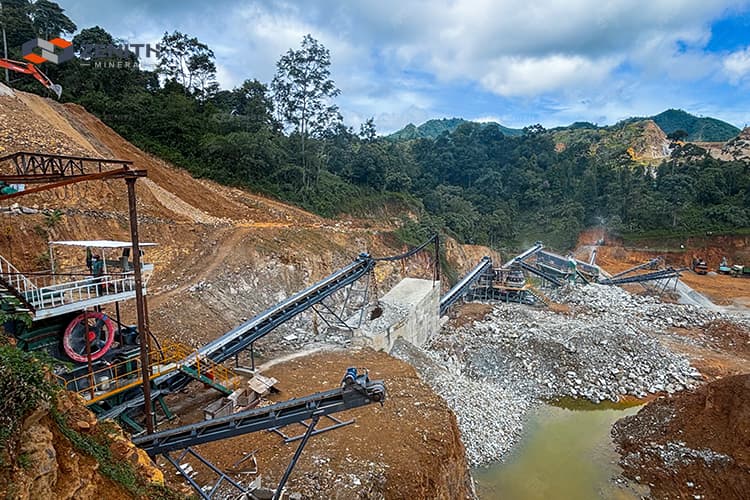
A complete quarry crushing & screening production line typically includes the following equipment sets:
feeding equipment, primary crushing equipment, secondary & tertiary crushing equipment,, screening equipment, shaping / sand-making equipment, conveyors (material transport), and more.
If you’re researching how to start a quarry business, choosing the right equipment configuration is essential for building a stable, scalable, and profitable aggregate production line.
Primary crushing is the first step of a quarry crushing & screening line. Its job is to break blasted rock (typically 500–1000 mm) down to below 100–200 mm.
Both jaw crushers and gyratory crushers can be used for the primary crushing stage in almost all hard-rock quarry applications. When choosing the right machine, you must match the crusher to the target throughput of the entire production line.
Jaw crushers are ideal for small to medium and large-scale production lines.
Gyratory crushers are generally better suited for large and ultra-large production lines.
For detailed differences between jaw crusher and gyratory crusher, please click: Jaw Crusher VS Gyratory Crusher
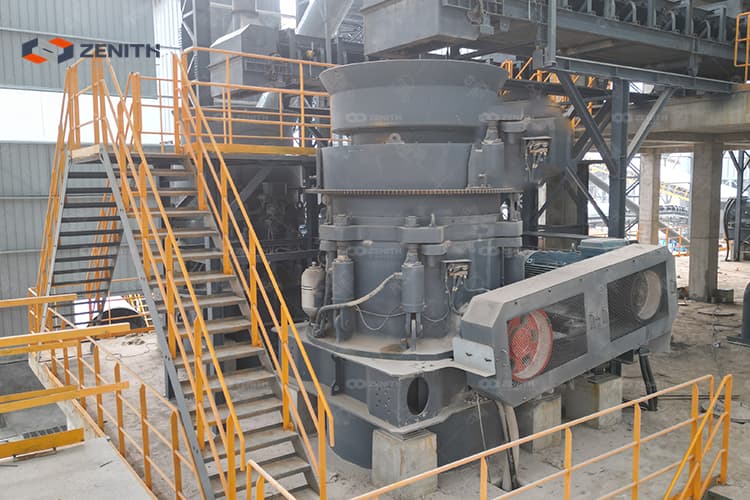
Cone crusher and impact crusher are most commonly used equipment for medium and fine crushing.
Cone crushers are suitable for medium-high hardness rocks, offering high crushing ratio, long wear-part life, low unit energy consumption, and capability for continuous high-intensity operation.
Impact crushers are suitable for medium-low hardness rocks, producing excellent particle shape, with a lower initial investment than cone crushers.
Selection principles:
If material hardness is high, choose a cone crusher.
If hardness is low but particle shape requirements are high, choose an impact crusher.
When in doubt, always prioritize material hardness as your primary decision factor.
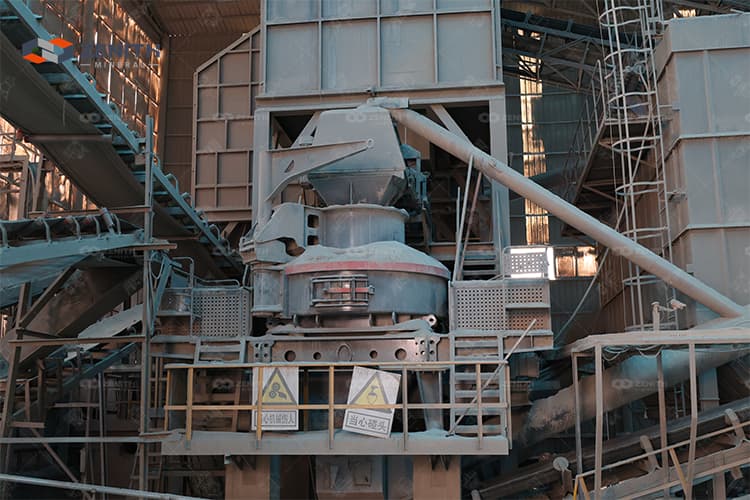
When your product line includes manufactured sand (0–5 mm), a sand making machine is essential.
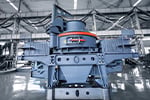
The VSI (Vertical Shaft Impact Crusher) sand maker is the mainstream sand making equipment today. It produces well-graded manufactured sand, with controllable fineness modulus, fully complying with concrete sand standards across most countries.
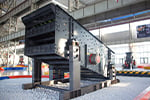
Vibrating screens are essential grading equipment in quarry crushing plants. Utilizing multi-layered screen meshes with various aperture sizes, they precisely classify aggregates into distinct sizes while maintaining strict control over final product size stability and uniformity.
Although these equipment does not directly crush rocks, it is critical to ensuring the seamless operation and environmental compliance of your entire production line.
Vibrating Feeder: Delivers a uniform and continuous flow of raw material to the primary crusher, with the capability to scalp out fine soils and dirt during feeding, thereby significantly reducing the load on the crusher.
Belt Conveyor: Connects crushing, screening, and stockpiling stages, transporting bulk materials across the plant.
Sand Washer: Utilized when the raw material has a high clay content or when the final manufactured sand requires strict control over superfine powder/dust content.
Excavators: Positioned at the quarry face to clear unstable loose rocks (scaling) and load blasted rocks into haul trucks.
Wheel Loaders: Responsible for stockpiling management and rapidly loading finished aggregates onto customers' road-going dump trucks for dispatch.
Haul Trucks: Transport blasted raw stones from the mining face to the feeder for primary crushing.
Water Trucks: Continuously spray water on quarry roads and discharge points for dust suppression to comply with EPA and local air-quality regulations.
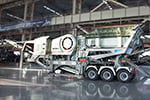
To decide whether you should choose a stationary crushing solution or a mobile crushing plant, you can refer to our E-book: Stationary VS Mobile Crushing Plant
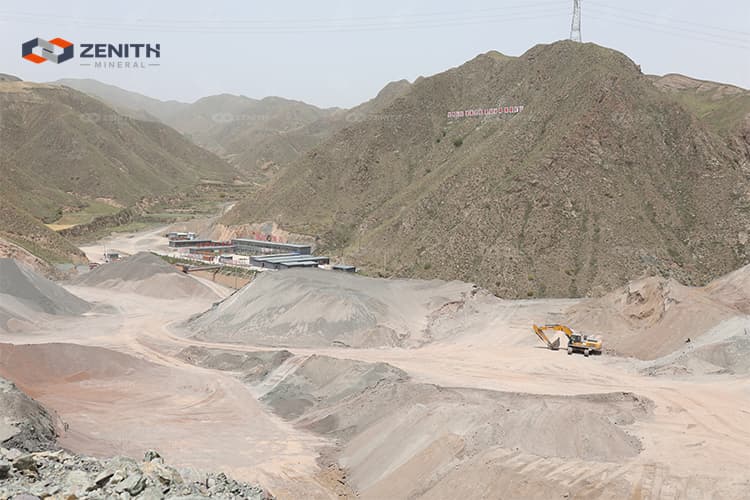
Minimized material flow paths: Arrange processing stages linearly wherever possible. This minimizes belt conveyor lengths and transfer points, reducing overall wear and tear.
Leverage topography: Quarries are usually in mountainous terrain; use natural elevation differences to achieve gravity-assisted material transfer and significantly reduce conveying costs.
Reserve expansion space: During initial construction, reserve 30% spare capacity in site area and electrical supply for future expansion.
Segregate stockpiles: Different product sizes stored separately; stockpile capacity should hold at least 3–5 days of production.
Power: The total installed power for the quarry crushing plant is typically in the range of 500–2000 kW. Confirm local grid capacity; if needed, install a diesel generator set.
Roads: Internal mine roads must support heavy-duty mining trucks. Roads should feature a width of ≥6 meters and a maximum grade/slope of ≤8%.
Water supply: For dust suppression and sand washing, recommend a circulating water system with water recycling rate of over 80%.
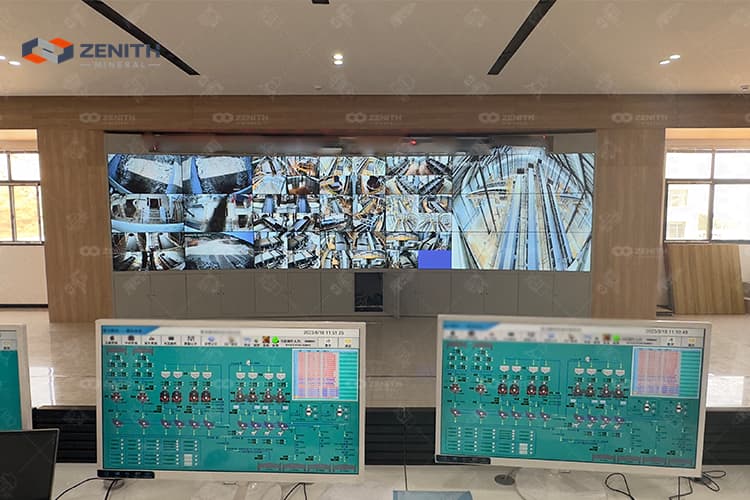
Control room: Centrally locate electrical control panels and monitoring equipment; ideally position it to overlook the entire production line.
Production planning: Develop weekly production plans based on sales orders and inventory levels to avoid overproduction and costly aggregate stockpiling.
Aggregate quality control: Regularly sample and test finished products for gradation, mud content, and needle-like and flaky content to ensure compliance with customer specifications.
Inventory management: Maintain a rigorous inventory ledger for finished products. Implement a First-In, First-Out (FIFO) strategy to prevent secondary contamination or degradation from long-term storage.
This is a key variable affecting operating costs of a quarry plant:
Preventive maintenance: Establish daily, weekly, and monthly inspection programs; regularly monitor bearing temperature, lubrication oil levels, belt tension, and screen mesh wear.
Wear parts management: Maintain an inventory of high-wear crusher parts; keep at least one spare set of critical components (jaw plates, wear liners, etc.) to avoid downtime.
Fault logging: Maintain a fault log; analyze failure patterns and progressively shift from "repair when broken" to "predictive maintenance."
Running a profitable and compliant quarry business is a systematic, capital-intensive project that requires rigorous planning and professional deployment. Every procedure determines the overall project benefit, including early-stage market research, geological survey, license approval and site selection, mid-term budget planning, crushing and screening equipment configuration, and plant infrastructure construction, as well as later-stage standardized operation and safety management. All links are closely connected and indispensable for long-term stable operation.
If you are planning to launch a new quarry project and looking for reliable one-stop solutions, feel free to contact ZENITH. Our professional engineering team will customize the most scientific, cost-effective and high-yield production line configuration strictly according to your raw material properties, target output, finished aggregate specifications and investment budget.

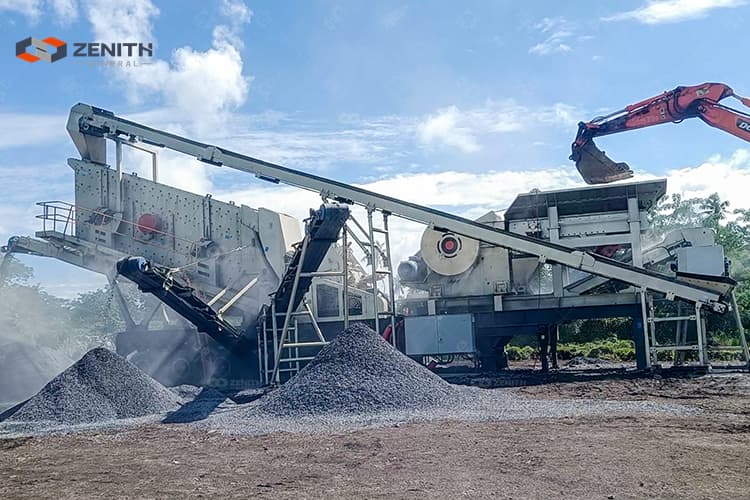
Mobile crushing plant features unmatched on-site mobility and flexible deployment capability. Here are 5 high-profit application scenarios of mobile crushing plants, and a professional 4-dimensional selection guide to help buyers pick cost-effective crushing equipment.
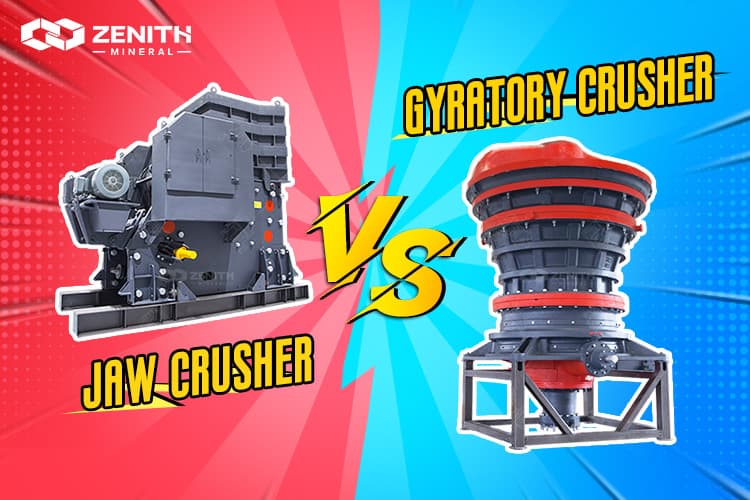
For granite coarse crushing, jaw crushers and gyratory crushers are the most commonly used options. What are their differences? How to choose the granite coarse crushing equipment?
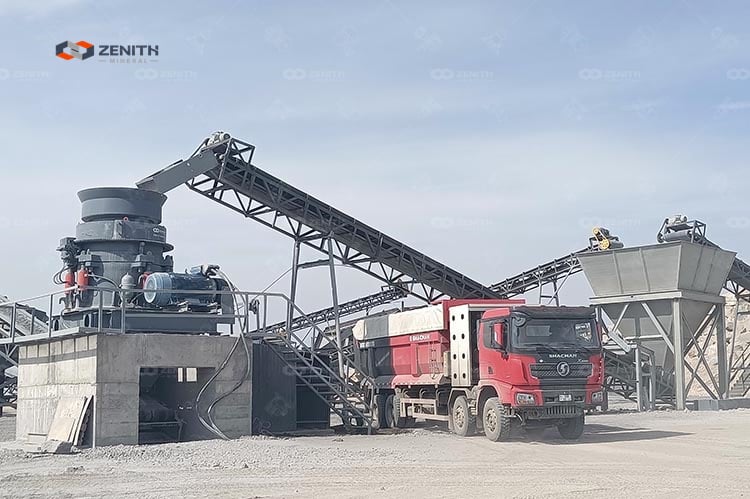
Lean how to select the proper granite coarse crusher, medium & fine crusher. When selecting granite crusher equipment and crushing solutions, it is crucial to consider not only production capacity but also wear resistance, energy efficiency, and return on investment.
Fill your requirements here, and we'll send the custmized solution and quotation to you by the reserved contact information.
Copyright ©2000-2026 SHANGHAI ZENITH MINERAL CO.,LTD.

 WhatsApp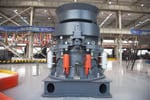

 24/7 Online