Cone crusher main shaft fracture reasons can be divided into 2 aspects: main shaft reason and production reason.
Main shaft structure design is unreasonable. For example, shrink range of main shaft and mantle fitting surface is too large, no discharge launder or transitional circular – angle too small will lead to stress concentration of main shaft. In this case, the main shaft will damage because of fatigue abrasion.
Poor manufacturing quality of main shaft. During the manufacturing process of main shaft, if the heat treatment is improper, it will reduce the fatigue resistance of main shaft material. When there is uncrushable material enter the crushing cavity, it may cause the fracture of main shaft.
Lubrication trouble. If the friction between bowl and sphere is serious, making the main shaft insert to main shaft bushing too much, then the operation clearance will reduce. In this case, it will cause lubrication trouble and temperature rise too high. Too high temperature of lubricating oil will lead to bush burning and shaft holding, making the main shaft fracture.
Iron and overload. Improper operation of cone crusher is one of the main reasons cause main shaft fracture. If there is iron enter the crushing cavity frequently, and then the main shaft is easy to fracture. On the other hand, when the cone crusher overloads long time, the main shaft is also easy to fracture.
Cone crusher stuck. In order to make the final products size meets requirements, we need to reduce the size of discharge opening. At this time, if there is uncrushable material enter the crushing cavity, cone crusher is easy to be stuck. Even though there is overload protection device, but it still cause damage to cone crusher, especially to main shaft. After long time operation, it will cause the main shaft fracture.
In the operation process of cone crusher, the operator should carry out regular inspection and maintenance of the equipment, and formulate corresponding management measures to reduce the damage caused by overload, iron, violation operation and other factors, and reduce the loss.


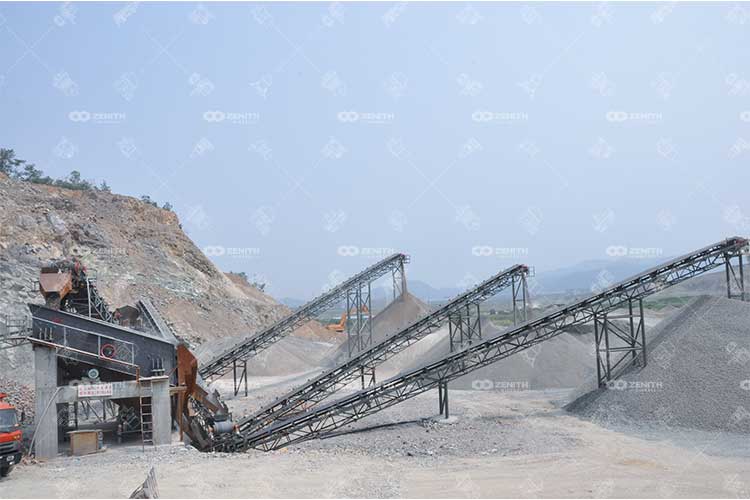
Indonesia is one of the largest aggregate markets in Southeast Asia, and rock aggregate project sites often face challenges such as undulating terrain, long rainy seasons, and unstable power supply. Taking a 450–500 TPH rock aggregate project delivered by ZENITH in Jakarta as a case study, this article details the process configuration and key design decisions of this production line, as well as implementation points worth attention in the early-stage solution design of similar projects in Southeast Asia.
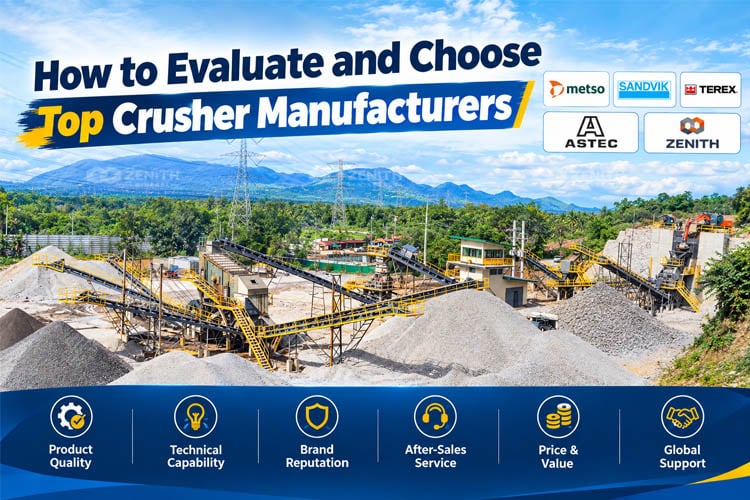
A comprehensive procurement guide for evaluating and selecting top crusher manufacturers. Covers CAPEX vs. TCO analysis, spare parts supply chains, flowsheet integration, and comparison of Metso, Sandvik, Terex, Astec, and ZENITH.
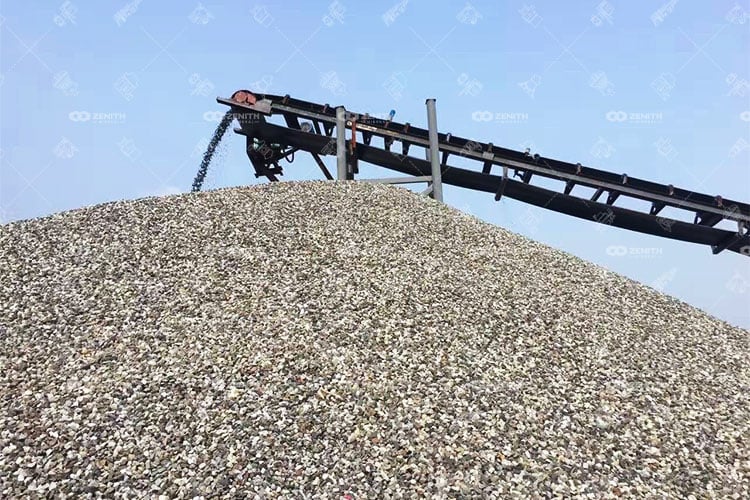
Taking the river pebble crushing plant that ZENITH has applied multiple times in the Philippines as an example, this article explains the complete logic of the "screen-before-crush" process, and how the entire production line uses only three main belt conveyors through a streamlined layout to control investment. For projects using river pebbles as the raw material, this approach offers direct design reference value.
Fill your requirements here, and we'll send the custmized solution and quotation to you by the reserved contact information.
Copyright ©2000-2026 SHANGHAI ZENITH MINERAL CO.,LTD.

 WhatsApp

 24/7 Online