It can be summarized from five aspects to determine whether the sand and gravel meet the new national standards: particle shape, particle size and gradation, consistency of particle composition, maintaining particle cleanliness, and controlling the particle content of 0.075 mm. .
Shape of the particles: The stone crushed by the crusher should be cubic, and the content of the needle-like particles of the coarse aggregate should not exceed 15%. The ratio of the minimum thickness to the maximum length of the needle-like particles is less than 1: 3. . Angular particles produce greater mechanical stability than round particles.
Particle size and gradation: Gradation is the most important characteristic of aggregates, it directly affects almost all important characteristics of the mixture, especially for concrete, high grading accuracy can ensure that the stability and flow value of the concrete are at the most. Optimal design conditions, otherwise the service life of the pavement will be reduced.
Consistency of particle composition: Ensuring the consistency of particle composition is very important to maintain the consistency of the gradation composition of the mixed material and the consistency of its various technical indicators. If the composition of the mixture changes greatly, it will obviously affect the quality and service life of the pavement.
Maintaining the cleanliness of the particles: The presence of harmful substances such as excessive dust formed by the crushing operation on the aggregate particles will cause the asphalt mixture to peel and loosen, thereby affecting the durability of the asphalt pavement.
Controlling the particle content of 0.075 millimeters: The particle content of 0.075 millimeters in the water-stable base mix should not exceed 5 to 7 percent in order to improve its resistance to erosion. The coarse aggregate used for the asphalt surface layer requires the water washing method to have a particle content of less than 0.075 millimeters and not more than one percent, mainly to control the mud content that can be dissolved in water.


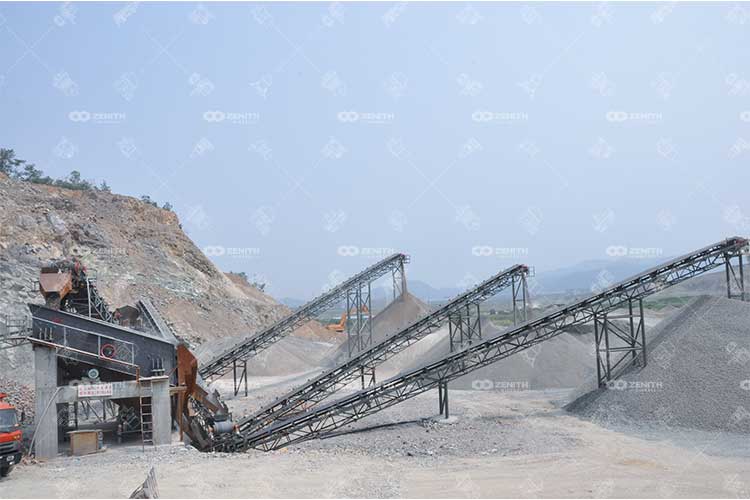
Indonesia is one of the largest aggregate markets in Southeast Asia, and rock aggregate project sites often face challenges such as undulating terrain, long rainy seasons, and unstable power supply. Taking a 450–500 TPH rock aggregate project delivered by ZENITH in Jakarta as a case study, this article details the process configuration and key design decisions of this production line, as well as implementation points worth attention in the early-stage solution design of similar projects in Southeast Asia.

A comprehensive procurement guide for evaluating and selecting top crusher manufacturers. Covers CAPEX vs. TCO analysis, spare parts supply chains, flowsheet integration, and comparison of Metso, Sandvik, Terex, Astec, and ZENITH.
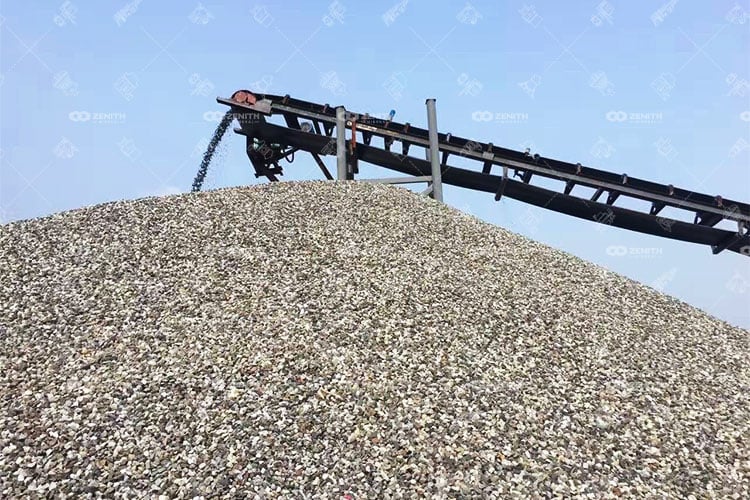
Taking the river pebble crushing plant that ZENITH has applied multiple times in the Philippines as an example, this article explains the complete logic of the "screen-before-crush" process, and how the entire production line uses only three main belt conveyors through a streamlined layout to control investment. For projects using river pebbles as the raw material, this approach offers direct design reference value.
Fill your requirements here, and we'll send the custmized solution and quotation to you by the reserved contact information.
Copyright ©2000-2026 SHANGHAI ZENITH MINERAL CO.,LTD.

 WhatsApp




 24/7 Online