For anyone involved in aggregate production, mining, or geology, the earth beneath our feet is more than just dirt—it is the raw material that builds our modern world. Understanding the physical and chemical properties of different rocks is not just an academic exercise; it is a critical factor that dictates equipment selection, production efficiency, and ultimate profitability in the crushing industry.
Earth’s crust is composed of three primary types of rocks, categorized by how they are formed: Igneous, Sedimentary, and Metamorphic. Here is a deep dive into the science behind these rocks and how their unique characteristics impact material processing.
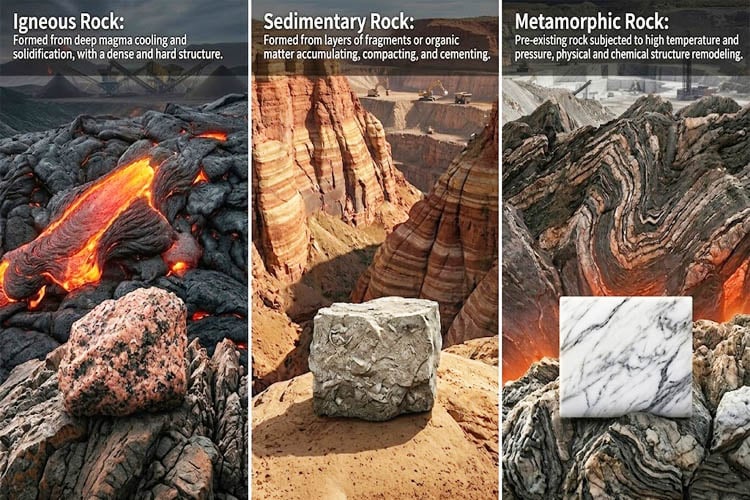
Igneous rocks are the foundation of the Earth’s crust. They are formed when extremely hot, molten rock material—either magma (below ground) or lava (above ground)—cools and solidifies.
The cooling rate of the molten material strictly dictates the texture and strength of the resulting rock:
Intrusive (Plutonic) Igneous Rocks: Cool slowly beneath the surface, forming large, visible crystals.
Extrusive (Volcanic) Igneous Rocks: Cool rapidly on the surface, forming fine-grained or glassy textures.
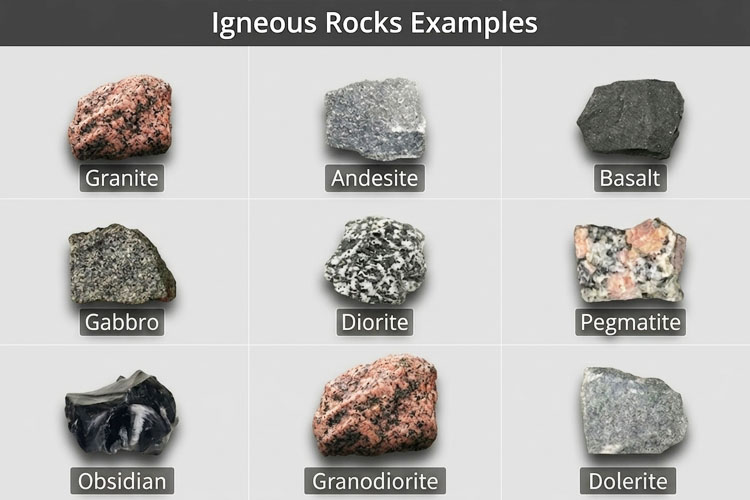
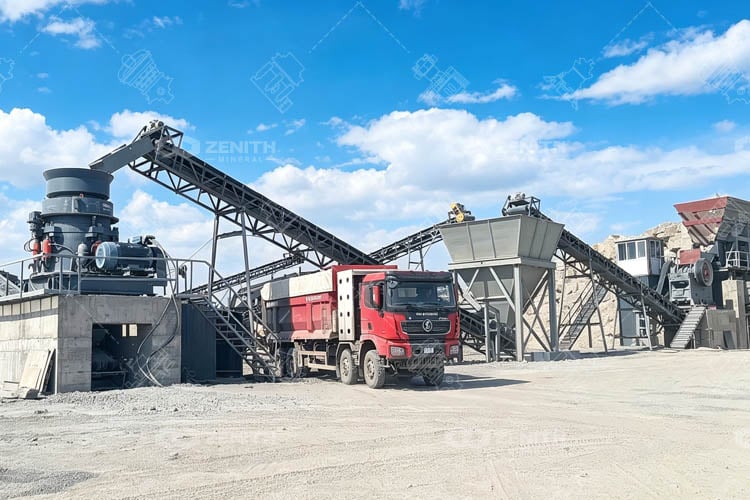
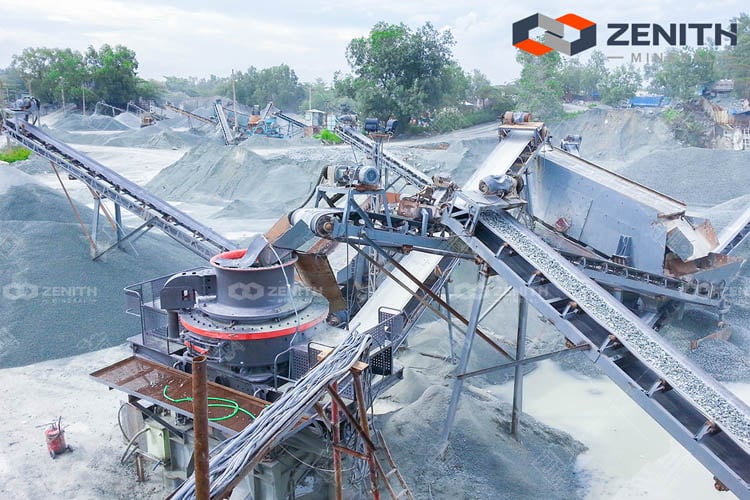
Igneous rocks are notorious for their high compressive strength and extreme abrasiveness. Processing granite or basalt places massive stress on machinery. To handle this, a crushing plant must be equipped with heavy-duty, compression-style crushers. Typically, a robust Jaw Crusher is used for primary crushing, followed by a Cone Crusher for the secondary and tertiary stages to minimize the wear and tear on consumable parts.
Unlike igneous rocks that are born from heat, sedimentary rocks are born from time, weather, and pressure at the Earth's surface.
These rocks are the result of the lithification (turning to stone) of accumulated sediments. The process involves four main steps: weathering of existing rocks, transportation by wind or water, deposition in a basin, and finally, compaction and cementation under the immense weight of overlying layers.
Sedimentary rocks are divided into three subcategories: clastic (formed from rock fragments), chemical (formed from dissolved minerals), and organic (formed from plant or animal remains).
Clastic Sedimentary Rocks: Composed of rock fragments (clasts) cemented together.
Chemical Sedimentary Rocks: Formed from minerals dissolved in water, which precipitate out and accumulate.
Organic Sedimentary Rocks: Formed from the accumulation of plant or animal remains.
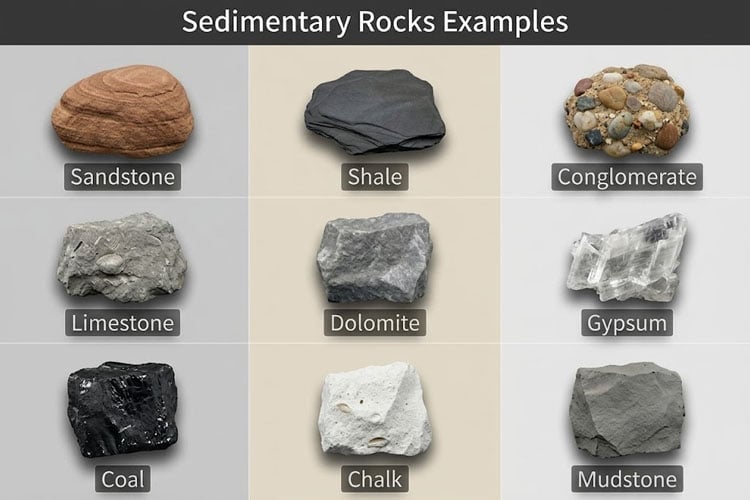
Sedimentary rocks like limestone are the backbone of the global construction aggregate and cement industries. They generally possess low to medium hardness and low abrasiveness. Because they are easier to crush, high-capacity impact crushers (such as HSI) or VSI (Vertical Shaft Impact) sand makers are incredibly effective. This allows for massive production rates and excellent particle shaping, easily meeting ASTM standards for concrete aggregates.
"Metamorphism" means to change form. These rocks start their lives as either igneous, sedimentary, or even other metamorphic rocks, but are fundamentally transformed by extreme geological conditions.
When existing rocks are dragged deep into the Earth's crust due to tectonic plate movements, they are subjected to intense heat (but not quite enough to melt them) and crushing pressure. This environment forces the internal crystalline structure to reorganize and recrystallize.
Foliation: The immense directional pressure often forces the crystals to align into distinct bands or stripes, known as foliation.
The resulting rock is almost always significantly denser, harder, and more compact than its original parent rock.
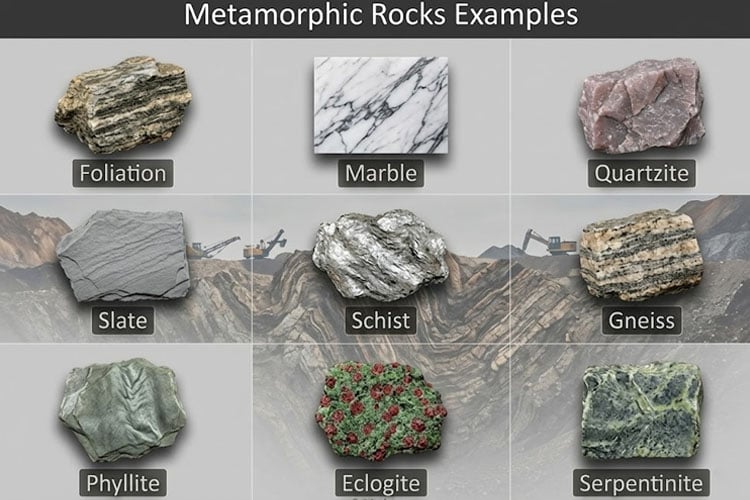
Metamorphic rocks present unique challenges. Quartzite, for example, is so thoroughly cemented that it often shatters across the original grain boundaries, making it exceptionally hard and highly abrasive—sometimes even tougher than granite. Crushing metamorphic rocks requires careful control of the crushing ratio and reliance on highly durable equipment like high-performance Cone Crushers to maintain continuous production.
While igneous, sedimentary, and metamorphic rocks share some similarities, their formation processes and characteristics create distinct differences that make them easy to identify. Below is a concise comparison of the three types:
| Characteristic | Igneous Rocks | Sedimentary Rocks | Metamorphic Rocks |
|---|---|---|---|
| Formation | Cooling and solidification of magma/lava | Accumulation and cementation of sediments | Transformation of existing rocks via heat/pressure/fluids |
| Texture | Coarse (intrusive) or fine/glass-like (extrusive) | Clastic, crystalline, or organic; often layered | Foliated (layered) or non-foliated (uniform) |
| Fossils | None | Common (in clastic/organic types) | None (destroyed by metamorphism) |
| Key Minerals | Quartz, feldspar, pyroxene, amphibole | Quartz, calcite, clay, organic matter | Mica, quartz, feldspar, calcite (new minerals formed) |
| Example | Granite, Basalt, Obsidian | Sandstone, Limestone, Coal | Marble, Gneiss, Slate |
It is important to understand that the Earth is dynamic; no rock stays the same forever. Through the Rock Cycle, any rock type can transform into another:
The geological origin of a rock dictates its hardness, toughness, and abrasiveness. For mining and aggregate professionals, misjudging a rock type can lead to severe equipment damage, high maintenance costs, and frequent downtime.
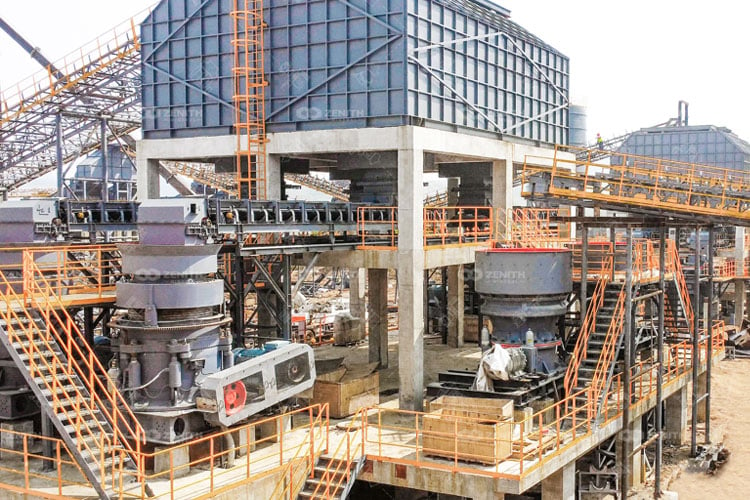
This is where intelligent plant design becomes crucial. Whether you are tackling highly abrasive volcanic basalt or high-yield sedimentary limestone, ZENITH’s material processing solutions deliver the reliability and efficiency you need. By providing fully optimized production lines equipped with high-performance Jaw and Cone crushers, we ensure that your setup is perfectly matched to the specific geological characteristics of your site. Choosing a ZENITH production line means minimizing operational downtime, reducing maintenance costs, and maximizing your long-term ROI in any rock condition.
A: The three main types are Igneous, Sedimentary, and Metamorphic rocks. Igneous rocks form from cooled magma; sedimentary rocks from accumulated particles; and metamorphic rocks from existing rocks subjected to high pressure and heat.
A: Igneous rock is formed through the cooling and solidification of magma or lava. Depending on where they cool, they are classified as intrusive (like granite) or extrusive (like basalt).
A: The rock cycle is a geological concept describing how rocks transform from one type to another over geological time. This continuous process involves weathering, erosion, melting, and metamorphism.


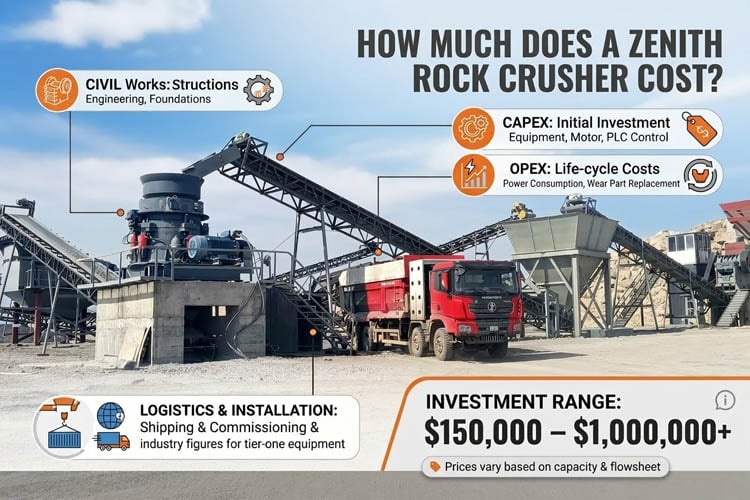
ZENITH rock crusher prices start at $50K for jaw crushers to $1M+ for complete plants. Compare types, TCO, and get expert tips for your investment.
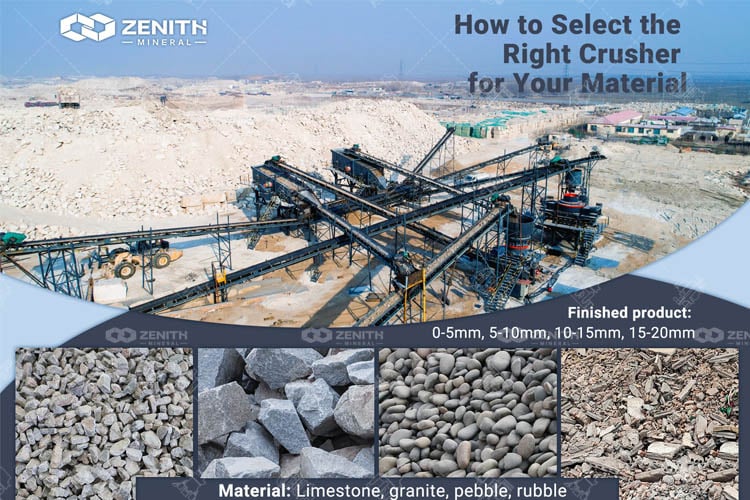
Discover how to pick the right crusher for soft, medium-hard, hard, or very hard rocks. Learn key factors like rock hardness, product shape, capacity & TCO to boost efficiency and cut costs in mining, construction & recycling.
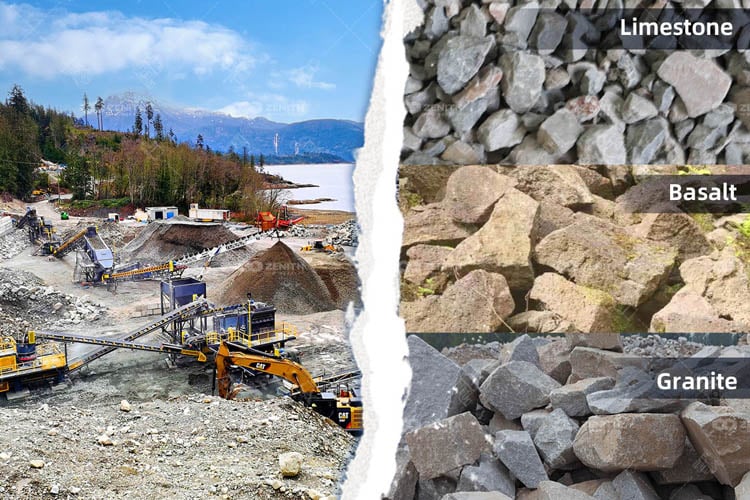
Learn the best crushing techniques for limestone, granite, and basalt. Discover equipment selection, process optimization, and industry trends in material processing.
Fill your requirements here, and we'll send the custmized solution and quotation to you by the reserved contact information.
Copyright ©2000-2026 SHANGHAI ZENITH MINERAL CO.,LTD.

 WhatsApp

 24/7 Online