
 WhatsApp
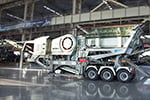
Portable crusher plant has become an essential component in the construction and mining industries, providing flexibility and efficiency in material processing. These plants are designed to be easily transported and set up at various job sites, allowing for quick adaptation to changing project requirements. However, the longevity and performance of portable crusher plant heavily depend on their lubrication systems. This article explores the critical role of lubrication systems in enhancing the lifespan and operational efficiency of portable crusher plant.

Understanding the Lubrication System
A lubrication system is designed to reduce friction between moving parts, minimize wear and tear, and prevent overheating. In portable crusher plant, the lubrication system typically consists of various components, including pumps, filters, reservoirs, and distribution lines. The primary function of this system is to ensure that all critical components, such as bearings, gears, and hydraulic systems, receive adequate lubrication.
Types of Lubrication Systems
1. Manual Lubrication Systems: These systems require operators to manually apply lubricant to various components at specified intervals. While they are simple and cost-effective, they can lead to inconsistent lubrication and increased wear if not properly maintained.
2. Automatic Lubrication Systems: These systems provide a continuous supply of lubricant to critical components without the need for manual intervention. They can be further categorized into:
- Grease Lubrication Systems: Commonly used in crushers, these systems deliver grease to bearings and other moving parts, ensuring consistent lubrication.
- Oil Lubrication Systems: These systems circulate oil through various components, providing cooling and lubrication simultaneously.
The Role of Lubrication in Portable Crusher Plant
1. Reducing Friction and Wear
One of the primary functions of lubrication is to reduce friction between moving parts. In portable crusher plants, components such as bearings, gears, and shafts experience significant stress and wear due to constant movement and heavy loads. Proper lubrication forms a protective film between these surfaces, minimizing direct contact and reducing wear. This not only extends the life of individual components but also enhances the overall durability of the entire plant.
2. Preventing Overheating
Portable crushers operate under high loads and can generate substantial heat during operation. Without adequate lubrication, friction can lead to overheating, which can cause components to fail prematurely. Lubricants help dissipate heat by carrying it away from critical areas, maintaining optimal operating temperatures. This is particularly important in hydraulic systems, where overheating can lead to fluid breakdown and system failure.
3. Protecting Against Contaminants
Dust, dirt, and other contaminants are prevalent in construction and mining environments. These particles can enter the lubrication system and cause damage to internal components. A well-designed lubrication system includes filters that remove contaminants from the lubricant before it reaches critical components. This protection is essential for maintaining the integrity of the lubrication system and ensuring the longevity of the portable crusher plant.
4. Enhancing Operational Efficiency
Efficient lubrication contributes to the overall operational efficiency of portable crusher plants. When components are properly lubricated, they operate more smoothly, reducing energy consumption and improving productivity. Conversely, inadequate lubrication can lead to increased friction, resulting in higher energy costs and reduced output. By ensuring that all moving parts receive the necessary lubrication, operators can maximize the efficiency of their portable crusher plants.
5. Minimizing Downtime and Maintenance Costs
Regular maintenance and unexpected breakdowns can significantly impact the productivity of portable crusher plants. A well-maintained lubrication system reduces the likelihood of component failure, minimizing downtime and maintenance costs. By investing in a reliable lubrication system, operators can ensure that their portable crushers remain operational for longer periods, ultimately leading to increased profitability.
Best Practices for Lubrication System Maintenance
To maximize the benefits of lubrication systems in portable crusher plants, operators should follow best practices for maintenance:
- 1. Regular Inspections: Conduct routine inspections of the lubrication system to identify any leaks, blockages, or signs of wear. Early detection of issues can prevent costly repairs and downtime.
- 2. Monitor Lubricant Levels: Ensure that lubricant levels are maintained within the recommended range. Low lubricant levels can lead to inadequate lubrication and increased wear.
- 3. Use Quality Lubricants: Select high-quality lubricants that are suitable for the specific operating conditions of the portable crusher plant. Consult manufacturer recommendations for the best lubricant types and specifications.
- 4. Implement an Automatic Lubrication System: Consider upgrading to an automatic lubrication system to ensure consistent and reliable lubrication. This can reduce the burden on operators and improve overall lubrication efficiency.
- 5. Train Personnel: Ensure that all personnel involved in the operation and maintenance of the portable crusher plant are trained in lubrication best practices. Proper training can help prevent common mistakes and ensure that the lubrication system is effectively managed.
The lubrication system is a critical component of portable crusher plant, playing a vital role in reducing friction, preventing overheating, protecting against contaminants, enhancing operational efficiency, and minimizing downtime. By prioritizing the maintenance and optimization of lubrication systems, operators can significantly extend the lifespan of their portable crushers and improve overall productivity. Investing in quality lubricants and implementing best practices for lubrication system management will ultimately lead to more efficient and profitable operations in the demanding environments of construction and mining.




 24/7 Online