
 WhatsApp
Nigeria, the most populous country in Africa, is experiencing a surge in construction and infrastructure development, fueled by a rapidly growing economy and an ever-increasing demand for building materials. At the heart of this construction boom lies the nation's thriving stone quarry industry, which plays a vital role in supplying the high-quality aggregates needed to support the country's ambitious development plans.
However, the unique challenges posed by Nigeria's diverse geological landscape and varying site conditions have prompted quarry operators to seek innovative solutions to improve the efficiency, flexibility, and cost-effectiveness of their stone production operations. One such solution that has gained significant traction in recent years is the use of portable crusher units.
In this comprehensive article, we will explore the numerous benefits and applications of portable crusher plant in the context of Nigerian stone quarry operations. We will delve into the technical specifications, operational advantages, and economic considerations that make portable crusher plant an attractive choice for quarry owners and operators seeking to optimize their production processes and stay ahead of the curve in the ever-evolving construction materials market.

The Nigerian Quarry Industry: Opportunities and Challenges
Nigeria's quarry industry is a vital component of the country's construction and infrastructure development landscape. The nation's diverse geological formations, which include a wide range of hard rock types such as granite, limestone, and basalt, have provided a rich and abundant supply of high-quality aggregates that are in high demand across the construction sector.
The growth of the Nigerian quarry industry has been driven by several key factors, including:
1. Rapid Urbanization and Population Growth
Nigeria's rapidly growing population, currently estimated at over 200 million, has fueled a surge in residential, commercial, and infrastructural development, particularly in the country's major metropolitan areas. This has led to a significant increase in the demand for construction materials, including aggregates from local quarries.
2. Infrastructure Development Initiatives
The Nigerian government has made infrastructure development a top priority, with ambitious plans to build new roads, bridges, airports, and other critical public works. These large-scale projects require substantial quantities of high-quality aggregates, further boosting the demand for quarry products.
3. Sustained Economic Growth
Nigeria's economy has experienced steady growth in recent years, with the construction and real estate sectors playing a crucial role. As the country's economy continues to expand, the demand for building materials, including aggregates, is expected to rise accordingly.
Despite the promising opportunities presented by the Nigerian quarry industry, quarry operators also face a range of unique challenges that can impact the efficiency, productivity, and profitability of their operations. These challenges include:
1. Diverse Geological Conditions
Nigeria's geological landscape is highly varied, with quarry sites located across different regions and often exhibiting unique rock formations and characteristics. This diversity can make it challenging to standardize crushing and processing techniques, requiring operators to adapt their equipment and processes to the specific requirements of each quarry site.
2. Accessibility and Transportation Logistics
Many quarry sites in Nigeria are located in remote or hard-to-reach areas, which can complicate the transportation of equipment, materials, and finished products. Poor road infrastructure and limited access to reliable logistics networks can increase operational costs and hamper the timely delivery of aggregates to construction sites.
3. Environmental and Regulatory Considerations
Quarry operations in Nigeria must comply with a range of environmental regulations and standards, including those related to noise, dust, and water management. Addressing these requirements can add complexity and costs to the quarry's operations, requiring operators to invest in specialized equipment and adopt sustainable best practices.
4. Maintenance and Downtime
The harsh operating conditions prevalent in Nigerian quarries, which often involve abrasive rock types and challenging terrain, can take a toll on the durability and performance of crushing equipment. Frequent breakdowns and the need for extensive maintenance can lead to significant downtime, hampering production and profitability.
Portable Crusher Plant: Solution for Nigerian Quarry Operations
In response to the unique challenges faced by Nigeria's quarry industry, portable crusher plant has emerged as a game-changing solution that offers a range of benefits to quarry operators. These versatile and mobile crushing systems are designed to provide a high degree of flexibility, efficiency, and cost-effectiveness, making them an attractive choice for quarry owners seeking to optimize their stone production processes.
Key Advantages of Portable Crusher Plant in Nigerian Quarry Operations:
-
1. Mobility and Flexibility:
- Portable crusher plant is designed to be easily transported and relocated, allowing quarry operators to move the equipment to different extraction sites as needed.
- This mobility enables operators to adapt to changes in the geological landscape, optimize the crushing process for various rock types, and minimize the need for costly fixed infrastructure.
- The ability to quickly set up and dismantle portable crushers also allows for more efficient utilization of quarry resources and can help reduce operational downtime.
-
2. Customization and Adaptability:
- Portable crusher systems can be tailored to the specific requirements of each Nigerian quarry site, ensuring optimal performance and product quality.
- Advanced models often feature adjustable crushing chambers, screening systems, and other components that can be fine-tuned to handle varying rock characteristics and produce the desired aggregate sizes and gradations.
- This adaptability allows quarry operators to respond to changes in customer demand or construction project requirements, enhancing their competitiveness in the market.
-
3. Improved Productivity and Efficiency:
- Portable crusher is designed to offer high throughput capabilities, enabling quarry operators to increase their production volumes and meet the growing demand for construction aggregates.
- Robust and reliable construction, coupled with advanced features such as automated controls and self-diagnostics, can help minimize downtime and maximize the utilization of the crushing equipment.
- Efficient crushing and screening processes can also lead to reduced energy consumption and lower operating costs, further enhancing the profitability of quarry operations.
-
4. Enhanced Durability and Maintenance:
- Portable crusher units are engineered to withstand the demanding conditions prevalent in Nigerian quarries, which often involve abrasive rock types and challenging terrain.
- The use of wear-resistant components, such as high-quality liners and impact plates, can significantly extend the service life of the equipment and reduce the frequency of costly repairs and replacements.
- Many portable crusher models also feature easy-to-access maintenance points and modular designs, facilitating quicker and more cost-effective servicing and repairs.
-
5. Environmental and Regulatory Compliance:
- Portable crusher systems can be equipped with advanced dust suppression and noise mitigation technologies, helping quarry operators comply with environmental regulations and minimize the impact on surrounding communities.
- Some portable crusher models also incorporate water management systems and other sustainable features, enabling quarry operators to adopt more environmentally responsible practices and enhance their corporate social responsibility.
-
6. Cost-Effectiveness and Return on Investment:
- The mobility and flexibility offered by portable crushers can help quarry operators optimize their operational efficiency and reduce overhead costs, such as those associated with fixed infrastructure and transportation.
- The ability to quickly relocate the crushing equipment to different quarry sites can also help operators capitalize on changing market dynamics and access new sources of high-quality raw materials.
- Furthermore, the enhanced durability and low maintenance requirements of portable crushers can lead to significant long-term savings, improving the overall return on investment for quarry operators.
Portable Crusher Plant Technologies and Specifications
To meet the diverse needs of Nigeria's quarry industry, portable crusher manufacturers have developed a wide range of technological solutions that cater to the specific requirements of quarry operators. These crusher systems are typically classified based on their crushing mechanism, size, and mobility, each with its own set of features and capabilities.
1. Jaw Crusher
- Jaw crusher is one of the most common types of portable crushing equipment used in Nigerian quarry operations.
- These crushers utilize a simple and robust mechanism, featuring a reciprocating jaw that moves back and forth to crush the incoming rock material.
- Jaw crusher is known for their ability to handle a wide range of hard and abrasive rock types, making them a versatile choice for quarry applications.
- Portable jaw crusher models often feature hydraulic adjustment mechanisms, enabling operators to quickly adapt the crushing chamber settings to optimize performance for different rock characteristics and product requirements.
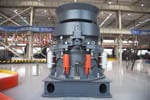
2. Cone Crusher
- Cone crusher is another popular choice for portable crushing applications in Nigerian quarries, particularly for secondary or tertiary crushing stages.
- These crushers use a spinning mantle or cone to apply compressive forces to the rock material, resulting in a more uniform and cubical end product.
- Portable cone crusher is known for their high throughput capacity, energy efficiency, and ability to produce high-quality aggregates with a consistent gradation.
- Many portable cone crusher models incorporate advanced features such as automated controls, hydraulic adjustment systems, and overload protection mechanisms to enhance overall performance and reliability.
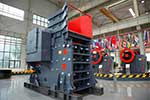
3. Impact Crusher
- Impact crusher is often used in Nigerian quarries to process softer or more friable rock types, as they rely on impact forces rather than compressive forces to break down the material.
- Portable impact crusher designs feature a rotor-mounted array of hammers or blow bars that strike the incoming rock, resulting in a more cubical and well-graded end product.
- These crushers are particularly suitable for producing fine aggregates, such as sand and gravel, and can be configured with advanced screening systems to optimize the product gradation.
- Portable impact crusher is known for their high production rates, energy efficiency, and ability to handle a wide range of feed materials, making them a versatile option for Nigerian quarry operations.
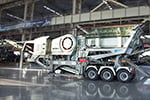
4. Combination Crusher
- To provide even greater flexibility and versatility, some portable crusher manufacturers have developed combination units that integrate multiple crushing technologies into a single, mobile platform.
- These combination crushers may feature a primary jaw or impact crusher, followed by a secondary cone or impact crusher, allowing quarry operators to handle a broader range of rock types and product requirements within a single, compact system.
- Combination portable crusher can help quarry operators streamline their crushing processes, reduce the need for multiple pieces of equipment, and optimize their overall operational efficiency.
Regardless of the specific crushing technology employed, portable crusher units designed for Nigerian quarry applications typically share a range of common features and specifications, including:
- Robust and durable construction, with heavy-duty frames and components to withstand the harsh operating conditions;
- Adjustable crushing chambers and screening systems to accommodate varying rock characteristics and product requirements;
- Efficient diesel or electric-powered drive systems, often with options for hybrid or fully electric configurations;
- Advanced control systems and monitoring technologies to optimize performance, enhance safety, and facilitate remote operation;
- Modular designs that facilitate quick and easy setup, relocation, and maintenance;
- Integrated dust suppression and noise-reduction features to comply with environmental regulations;
- Optional add-ons and attachments, such as conveyors, stackers, and washing systems, to further enhance the versatility and productivity of the crushing operation.
By carefully selecting the appropriate portable crusher technology and specifications to match the unique requirements of their quarry operations, Nigerian operators can unlock a range of benefits, including improved productivity, cost-effectiveness, and environmental sustainability.




 24/7 Online