
 WhatsApp
Indonesia is the world’s largest producer of nickel ore, supplying over 30% of global demand (USGS, 2023). The country’s nickel deposits are primarily lateritic (limonite and saprolite) and sulfide ores, each requiring different crushing approaches. Selecting the right crusher is critical for maximizing productivity, reducing downtime, and meeting smelter feed specifications.
This guide will help you choose the best crusher for Indonesian nickel mining, covering:
- ✅ Key ore characteristics affecting crusher choice
- ✅ Best crusher types for Indonesian nickel ore
- ✅ Key factors in crusher selection (ore type, capacity, power supply)
- ✅ Top 5 mistakes to avoid when purchasing

1. Understanding Indonesian Nickel Ore Characteristics
Nickel ore primarily consists of two types: laterite and sulfide.
1.1 Laterite Nickel Ore:
- Composition: Laterite ores are rich in iron and nickel, often containing 1-3% nickel. They are typically found in tropical climates and are characterized by their high moisture content.
- Physical Properties: Laterite ores are generally soft and can be easily crushed. However, their high clay content can lead to issues such as clogging and excessive wear on crushing equipment.
1.2 Sulfide Nickel Ore:
- Composition: Sulfide ores contain nickel in the form of sulfide minerals, such as pentlandite. These ores usually have a higher nickel content (up to 10% or more) and require different processing techniques.
- Physical Properties: Sulfide ores are harder and more abrasive than laterite ores, necessitating robust crushing solutions.
Key Challenge: Laterite ores are sticky and abrasive, causing blockages in crushers, while sulfide ores require high-pressure crushing.
2. Best Crusher Types for Nickel Ore
2.1 Primary Crushing (Coarse Reduction)
✔ Jaw Crusher
- Best for: Hard sulfide ore & large laterite chunks.
- Advantages:
- Handles ≤1200mm feed size
- Low maintenance (few moving parts)
- Example Model: PE900×1200 (200-300tph capacity)
✔ Gyratory Crusher
- Best for: Large-scale mines (>5,000t/day).
- Advantages:
- Higher capacity than jaw crushers
- Better for abrasive ores
2.2 Secondary Crushing (Size Reduction to Smelter Specs)
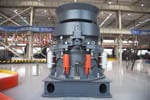
✔ Cone Crusher
- Best for: Sulfide ores & saprolite.
- Advantages:
- Produces cubical output (ideal for smelting)
- Handles high abrasion (Mn steel liners)
- Example Model: HPT300 (150-250tph)
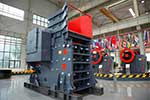
✔ Impact Crusher (For Laterite)
- Best for: Wet, sticky laterite.
- Advantages:
- Anti-clogging design (hydraulic opening)
- 70m/s rotor speed breaks clay bonds
- Example Model: PFW1315Ⅲ (European design for humid climates)
✔ High-Pressure Grinding Rolls (HPGR) (Advanced Option)
- Best for: Energy-efficient fine crushing.
- Advantages:
- 30% lower power use vs. cone crushers
- Reduces overgrinding of laterite
3. Key Selection Factors for Indonesian Conditions
3.1 Moisture & Clay Content
Problem: Laterite sticks to crusher walls → downtime for cleaning.
Solution:
Vibrating grizzly feeder (pre-removes sticky fines)
Wet scrubbing system (for high-moisture ore)
3.2 Power Supply Challenges
Diesel vs. Electric:
Remote mines (e.g., Papua) → Diesel-powered crushers
Grid-connected plants → Electric with soft starters
3.3 Maintenance & Spare Parts Availability
Top Wear Parts for Nickel Ore:
Manganese jaws (for jaw crushers)
Ceramic-lined chutes (abrasion resistance)
4. Top 5 Mistakes to Avoid When Buying a Crusher
- ❌ 1. Ignoring Ore Moisture Content → Leads to clogging and downtime.
- ❌ 2. Choosing Based Only on Price → Cheap crushers wear out faster in abrasive conditions.
- ❌ 3. Overlooking Local Maintenance Support → Delays increase costs.
- ❌ 4. Wrong Crusher for Processing Stage → E.g., Using a jaw crusher for fine crushing.
- ❌ 5. Not Considering Future Expansion → Buy scalable models (modular designs).
5. Future Trends
- AI-Powered Crushers: Real-time adjustment for ore variability.
- Hybrid Power Systems: Solar-diesel crushers for remote mines.
- Modular Plants: Quick relocation for smaller nickel deposits.
Choosing the right crusher for Indonesian nickel ore involves a comprehensive understanding of the ore's characteristics and the local environmental conditions. By considering factors such as ore type, crushing capacity, energy efficiency, and maintenance requirements, mining operators can select equipment that optimizes production while adhering to environmental regulations. As Indonesia continues to play a pivotal role in the global nickel market, investing in the right crushing technology will be essential for sustainable and efficient mining operations.



 24/7 Online